 Blog
BlogYour roof is getting old, and you just got a quote for a full replacement. The number made you wince. Then someone mentioned a cheaper route: just nail a second layer of shingles right on top of the old ones. No tear-off, no giant dumpster, and a smaller bill. It sounds like an easy win, but is it really?
Roofing over existing shingles is allowed in many areas, and it does save money up front. It also comes with trade-offs that never show up on the estimate. This guide walks through both sides in plain terms, so you can decide what’s right for your home and your budget before you sign anything.
What Roofing Over Existing Shingles Actually Means
A roof overlay is exactly what it sounds like. Instead of stripping the old shingles down to the wood deck, the crew installs new shingles directly over the old layer. The old roof stays in place and becomes the base for the new one. Some contractors also call this reroofing over shingles or a “layover.”
The key thing to understand is what doesn’t happen during an overlay. Nobody sees the roof deck. Nobody checks the boards for soft spots or rot. Old flashing and vents are often left in place or worked around. You’re getting a new surface, but everything under it stays exactly the way it was.
The Pros of Adding a Second Layer of Shingles
The biggest reason people choose a second layer of shingles is cost. Skipping the tear-off cuts labor time and removes most of the disposal fee. Depending on the size of the roof, many homeowners save somewhere around 10 to 25 percent compared to a full replacement. When money is tight, that difference matters.
An overlay is also faster and less messy. With no old shingles coming off, there’s less debris in your yard, fewer nails in the driveway, and less noise for you and your neighbors. Your home also stays covered the whole time, so there’s less risk if a surprise storm rolls in halfway through the job.
The Cons of a Roof Overlay You Should Know About
Here’s the real problem with putting shingles over existing shingles: you’re building on something you can’t see. If the deck has rot, soft spots, or old water damage, it stays hidden under two layers. Those problems don’t go away. They keep getting worse where nobody can catch them, until a stain shows up on your ceiling.
Weight is the other big concern. A second layer of shingles can add a few hundred pounds for every 100 square feet of roof. In places with heavy snow, like northern Wisconsin, that extra load sits under months of snow and ice. Older homes with smaller rafters feel that stress the most.
How a Second Layer of Shingles Affects Lifespan and Warranty
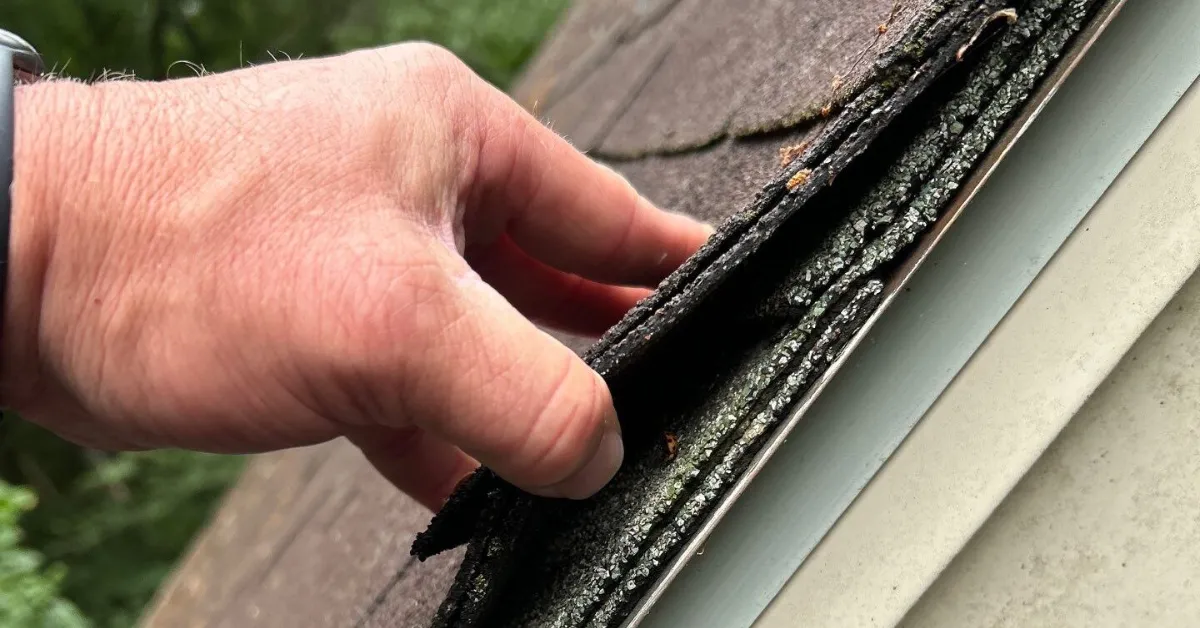
New shingles laid over old ones usually don’t last as long as shingles on a clean deck. The old layer holds more heat, and it’s rarely perfectly flat. Bumps, curled edges, and dips can show through the new layer. Over time, that uneven base can take several years off the life of a second layer of shingles.
Warranties are another catch. Some shingle makers limit coverage on overlays, and many of their upgraded warranties require a full tear-off. Before installing new shingles over old shingles, ask for the warranty terms in writing. If something goes wrong later, you don’t want to find out the coverage you counted on was never there.
Building Code Limits on Roof Overlays
Most building codes, including the International Residential Code that many states follow, allow no more than two layers of asphalt shingles. If your house already has two layers, a third is not an option. Codes also rule out an overlay when the existing roof shingles are water-soaked, badly worn, or made of materials like wood shake or slate.
Your local building inspector has the final say, so the rules can vary from town to town. A good contractor knows the local rules and pulls the right permit. If anyone offers to add a layer without a permit, or without checking how many layers you already have, treat that as a red flag.
When an Overlay Can Make Sense
An overlay isn’t always a bad call. It can work when your home has only one layer now, that layer lies flat, and there are no signs of leaks, sagging, or soft spots. If you plan to sell in a few years and just need a sound roof, the lower price may fit your plans.
Even then, it’s smart to have someone walk the roof and check the attic first. Look for daylight through the boards, dark stains on the wood, and damp insulation. If everything looks solid, an overlay is a fair option to weigh. If not, you’d be paying to cover up a problem you’ll end up paying for twice.
When a Full Tear-Off Is the Better Choice
A full tear-off gives your home a fresh start. The crew can check every deck board, swap out any bad wood, and install ice and water shield directly on the deck along the eaves. That matters a lot in snow country, where ice dams push meltwater up under shingles every winter.
This is why AGP Drywall does a full tear-off on every roof replacement. Re-shingling a roof from the deck up costs more on day one, but it usually pays off with a longer lifespan, a stronger warranty, and no hidden surprises. It also means whoever replaces your roof next only has one layer to remove.
How to Choose Between Your Roof Replacement Options
Start with a few simple questions. How many layers are on your roof right now? How long do you plan to stay in the home? Do you see any leaks, stains, or soft spots? Your answers will point you in the right direction faster than any price quote will.
Then compare roof overlay pros and cons side by side with a full replacement, using real numbers for your house. Ask each contractor what’s included, what warranty you’ll get, and what happens if they find bad decking. The team at AGP Drywall is always happy to walk you through your roof replacement options with zero pressure.
Frequently Asked Questions
Can you put a second layer of shingles on any roof?
No. Most codes allow a second layer of shingles only when the roof has one layer now and that layer is flat, dry, and in decent shape. Roofs that already have two layers, or roofs covered in wood shakes or slate, need a full tear-off.
How much weight does a roof overlay add?
It depends on the shingle type, but a new layer of architectural shingles can add roughly 250 to 400 pounds per 100 square feet. Most homes can handle it, but it’s worth a closer look on older houses or roofs that already sag.
Does roofing over old shingles hurt resale value?
It can. Home inspectors note multiple layers in their reports, and many buyers know the next replacement will cost more because two layers have to come off. Some buyers use that as a reason to ask for a lower price.
Does ice and water shield work under a second layer?
It works best when it sticks directly to the wood deck. Over old shingles, it can’t seal as tightly along the eaves, and that’s exactly where ice dams cause the most trouble in cold climates like ours.
How long does a second layer of shingles last?
A well-done overlay may last 15 to 20 years, while the same shingles on a clean deck often last 25 to 30 years. Extra heat and an uneven base are the main reasons the top layer wears out sooner.
Talk to AGP Drywall Before You Add Another Layer
Not sure if your roof can handle an overlay or needs a full tear-off? A quick look at the roof and attic usually answers that question. If you live in north-central Wisconsin, our crew works as the asphalt roofing contractors Rhinelander WI homeowners call for honest advice and full roof replacements.
Call AGP Drywall at (715) 393-9680 to schedule your free estimate. We’ll tell you exactly what we find, show you your options, and give you a written quote, so you can make the choice that’s right for your home.
