 Latest & News
Every winter, homeowners across north central Wisconsin watch snow pile up on their roofs and wonder whether the shingles can take it. If you are planning a new roof or a full replacement, choosing between architectural shingles vs 3 tab is one of the first decisions you will make, and it matters more here than in milder states. A roof in Merrill, Wausau, or Rhinelander deals with months of snow cover, ice dams, and freeze and thaw cycles that wear out a weak roof fast.
The decision doesn’t have to be confusing. In this guide, AGP Drywall explains how each shingle type behaves under heavy snow, what actually protects your home during a long winter, and which option gives you the best value over time. By the end, you will know what to ask for before your next roof goes on.
What Wisconsin Snow Load Really Means for Your Roof
Snow load is the weight of snow and ice sitting on your roof, and in our part of the state it adds up quickly. Fresh, fluffy snow is fairly light, but wet spring snow and packed ice can weigh several times more per inch. Wisconsin roof snow load requirements are set by the state building code. Homes in the northern half of the state are built to carry more weight than homes down south because winters here are longer and deeper.
Many homeowners don’t realize that shingles do not hold up the snow. The rafters, trusses, and roof deck carry that weight. The job of the shingles is to keep water out while snow sits on them for weeks, melts during the day, and refreezes at night. So when people talk about Wisconsin snow load roofing, the real question is which shingle stays sealed, flat, and watertight through all that stress.
How 3-Tab Shingles Hold Up in Wisconsin Winters
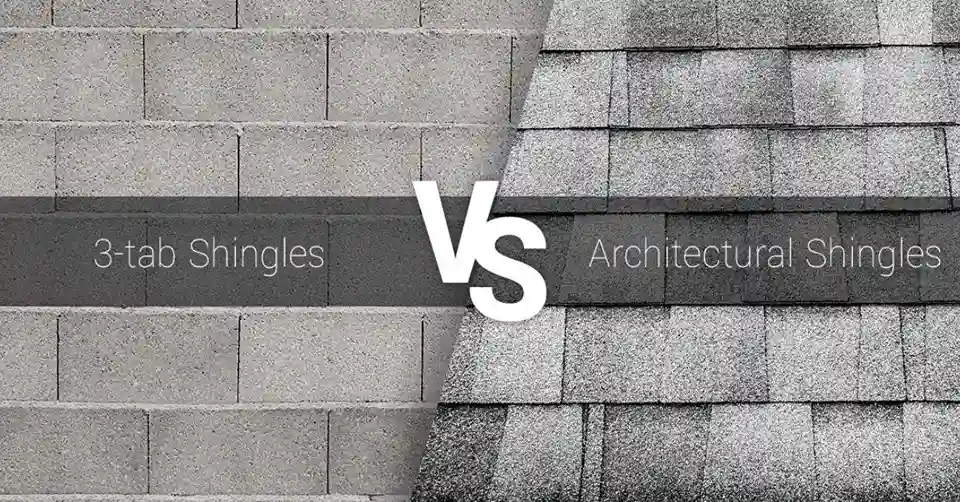
The 3-tab shingles Wisconsin homeowners have used for decades are made from a single flat layer of asphalt with cutouts that create three even tabs. They are lighter, cost less up front, and give a clean, uniform look. For a garage, a shed, or a home you plan to sell soon, they can still make sense when budget is the main concern.
Their weak spot is how thin they are. That single layer limits 3-tab shingles snow resistance, especially when ice dams push water back up under the edges. Most 3-tab products carry wind ratings of around 60 to 70 mph, so strong winter gusts can lift the tabs and break the seal. Once a tab lifts, melting snow has an easy path underneath, and that is when leaks and rotted decking start to show up.
Why Architectural Shingles Perform Better Under Heavy Snow
The architectural shingles Wisconsin roofers install today are made from two or more layers of asphalt laminated together. The extra thickness makes them heavier and stiffer, so they stay flat and sealed even when snow covers the roof for most of the winter. They also have a dimensional look that adds depth and curb appeal to almost any home.
Most architectural shingles for snow country carry wind ratings of 110 to 130 mph and longer warranties than 3-tab products. The thicker body resists cracking during freeze and thaw cycles, and the wider sealant strip holds tight when ice builds along the eaves. Many product lines also offer impact-rated options that stand up better to hail and falling chunks of ice. For most homes in central and northern Wisconsin, this is the stronger choice.
Architectural Shingles vs 3 Tab: Side by Side for Cold Climates
When you compare architectural shingles vs 3 tab in real Wisconsin conditions, the gap is clear. Architectural shingles usually last 25 to 30 years or more. 3-tab shingles often need replacing in 15 to 20 years, and sometimes sooner on north-facing slopes that hold snow the longest. Architectural shingles cost roughly 10 to 20 percent more for materials, but that cost is spread over many more winters.
Weight is another common concern. Architectural shingles weigh more per square, but a sound roof deck built to code handles that easily, and the added weight helps them resist wind uplift. If you want asphalt shingles for snowy climates that you won’t have to think about for decades, architectural is the safer bet. Many manufacturers have also cut back their 3-tab lines, so color matching and future availability can become a problem.
Choosing the Best Shingles for Wisconsin Winters
The best shingles for Wisconsin winters only perform as well as the system installed with them. Ice and water shield along the eaves, proper attic ventilation, and enough insulation all help stop ice dams before they form. A warm attic melts snow from below, and that water refreezes at the cold roof edge. Get the airflow right and you protect whichever shingle you choose.
When you look at shingles for heavy snow Wisconsin homes need, ask about the full package. Check the wind rating, the warranty, the underlayment, and the ventilation plan. AGP Drywall installs asphalt shingle roofs across Merrill, Wausau, Rhinelander, Antigo, and Stevens Point, and we walk every homeowner through these details before the job starts so there are no surprises when the first big storm hits.
Which Shingle Should You Pick for Your Home?
When weighing architectural shingles vs 3 tab, most homeowners who plan to stay put for more than a few years are better off with architectural. These shingles handle long snow cover, strong wind, and ice buildup better, and they add value when it’s time to sell. Roofing shingles for Wisconsin weather have to survive some of the toughest winters in the country, and the thicker build gives you that extra margin.
3-tab shingles still have a place on detached garages, sheds, or projects with a tight budget. Just know that you are trading a lower price today for a shorter life and more risk during heavy winters. If you are torn between the two, AGP Drywall can price both options side by side so you can see the real difference in cost over the life of the roof.
Frequently Asked Questions
Do architectural shingles add too much weight to a Wisconsin roof?
No. They weigh more than 3-tab shingles, but a roof deck built to Wisconsin code is designed to carry that weight plus snow. The extra weight also helps them resist wind uplift during winter storms.
Can architectural shingles go over an old 3-tab roof?
Some codes allow a second layer, but a full tear-off is the better choice here. It lets the crew check the decking, install ice and water shield the right way, and keep extra weight off your roof during snow season.
How long do 3-tab shingles last in Wisconsin?
Most last around 15 to 20 years. Roofs with shaded or north-facing slopes, heavy ice buildup, or poor attic ventilation often wear out sooner.
Will architectural shingles stop ice dams on their own?
No shingle stops ice dams by itself. Ice dams form when attic heat melts snow from below. Good ventilation, proper insulation, and ice and water shield at the eaves are what keep them under control.
Is the price difference between architectural shingles vs 3 tab worth it?
For most homes, yes. The added cost is usually small compared with the longer lifespan, higher wind rating, and better winter performance you get in return.
Get the Right Shingles on Your Roof Before Next Winter
Don’t wait for the next ice dam to find out your roof can’t keep up with Wisconsin snow. If you are planning a new roof or a full replacement, our team can help you choose the right shingle, set up proper ventilation, and complete your asphalt shingle roof installation before the cold sets in. Call AGP Drywall today at (715) 393-9680 for a free estimate anywhere in our north central Wisconsin service area.
