 Latest & News
Homes in Rhinelander, WI face cold winters and changing indoor humidity, making condensation a concern around exterior-facing wall assemblies. Learning how to protect drywall on exterior wall areas starts with controlling moisture before it reaches the finished gypsum surface.
The right board, insulation, air sealing, vapor control, and installation details should work together. The goal is a wall assembly that stays dry and stable.
Why Does Drywall on Exterior Wall Areas Develop Condensation?
Condensation forms when warm, moisture-filled indoor air meets a colder surface inside the wall. Exterior-facing walls can be especially vulnerable during Wisconsin winters because the temperature difference between the room and the wall assembly can be large.
When a surface falls below the air’s dew point, water can collect and affect gypsum, insulation, fasteners, and framing.
For a broader overview of installation and finishing methods, see AGP Drywall’s professional drywall services guide.
What Is the Best Way to Prevent Drywall on Exterior Wall Condensation?
The best approach combines a suitable wallboard with consistent insulation, controlled indoor humidity, effective air sealing, and a correctly designed vapor-control layer. The wall should limit warm moist air from reaching cold surfaces while allowing the assembly to manage unavoidable moisture safely.
In Rhinelander, this is especially important during long heating seasons. An installation considers the wall system rather than relying on the drywall panel alone. This is the key to protecting drywall on exterior wall assemblies.
How Should Exterior Wall Drywall Be Selected?
The material should match the location, humidity, and wall design. Standard interior gypsum board can work on the conditioned side of many exterior walls when the assembly is properly designed, but it is not an exposed exterior weather barrier.
Match the Board to the Environment
Moisture resistant drywall can be useful where humidity is elevated, but it is not a substitute for sound moisture management. Exterior wall panels and exterior gypsum sheathing are different products intended for different positions in a wall assembly.
Plan the Complete Assembly
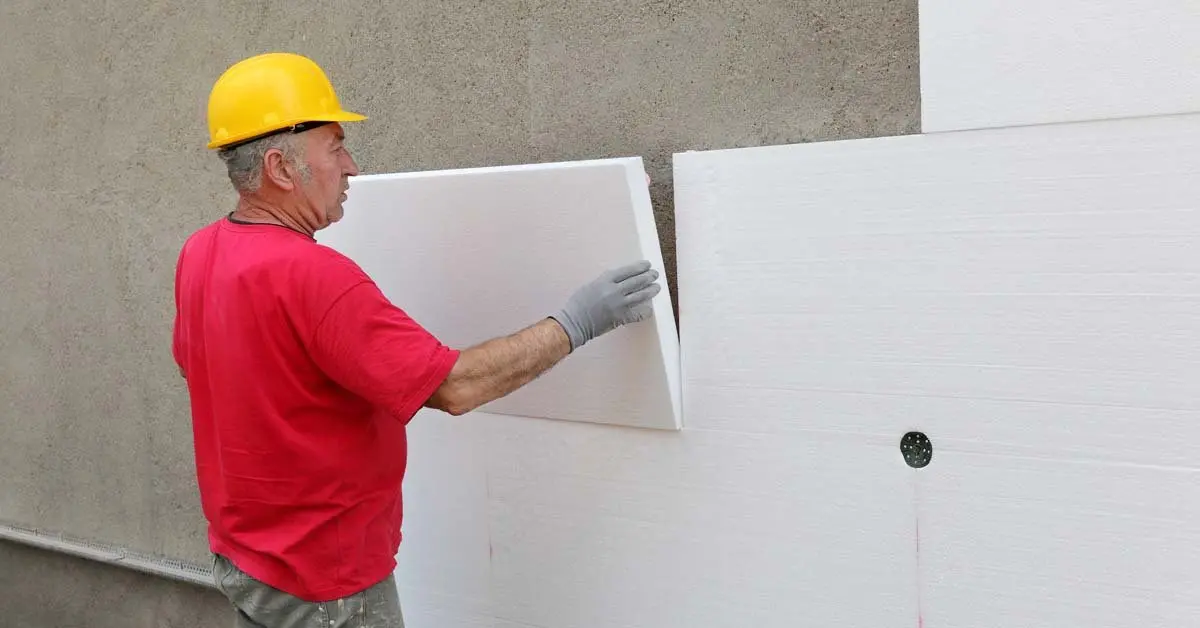
Exterior drywall installation should be considered alongside insulation, sheathing, weather-resistive barriers, flashing, and air-control layers. Each component has a specific role, and weak detailing in one layer can allow moisture to move deeper into the wall.
Which Installation Details Help Control Moisture?
A careful installation can reduce condensation risk by addressing moisture pathways before panels are fastened.
- Review the wall design and identify cold surfaces or thermal bridges.
- Install insulation consistently around studs, corners, and openings.
- Seal gaps around electrical boxes, wiring, pipes, and other penetrations.
- Use the appropriate vapor-control approach for the climate and wall design.
- Integrate exterior sheathing, weather barriers, and flashing around openings.
- Install gypsum panels according to manufacturer requirements.
- Finish joints and fastener areas carefully for a durable surface.
For homeowners planning a new project, AGP Drywall’s drywall installation service is a natural next step when professional installation is needed.
How Can Homeowners Reduce Indoor Humidity in Winter?
Even a well-designed wall can face unnecessary moisture stress if indoor humidity remains high. During cold Rhinelander winters, indoor air reaches condensation conditions sooner on cold surfaces.
Useful habits include:
- Use kitchen and bathroom exhaust fans when generating steam.
- Keep ventilation systems operating as designed.
- Avoid drying large amounts of wet clothing indoors without ventilation.
- Monitor indoor humidity with a hygrometer.
- Maintain consistent indoor temperatures.
- Keep furniture from blocking air circulation near exterior walls.
These habits support the wall system but do not replace proper construction.
What Exterior Wall Details Should Be Checked During Installation?
A careful installation looks beyond the visible face of the panel. Small gaps, uneven insulation, poorly sealed penetrations, or incorrectly placed control layers can create cold spots where condensation is more likely.
Watch for Thermal Bridges
Studs, corners, window edges, and structural connections can conduct heat differently from insulated cavities. These areas deserve attention because interior surfaces may become colder than nearby drywall.
Protect Openings and Penetrations
Windows, doors, outlets, pipes, and wiring create opportunities for air movement. Proper detailing around these areas helps limit warm indoor air from reaching colder parts of the assembly.
How Does Wisconsin Weather Affect Exterior Wall Drywall?
Rhinelander’s seasonal temperature changes make moisture control especially important. Cold outdoor temperatures can lower temperatures within exterior-facing wall sections, while heated indoor air adds moisture from cooking, bathing, breathing, and everyday activities.
Rhinelander and nearby Northwoods homes benefit from wall designs that account for winter heating and humid periods. Local installation should also consider orientation, insulation, and construction type.
AGP Drywall is based in Merrill, Wisconsin and lists regular service hours of Monday through Friday from 8:00 a.m. to 5:00 p.m., Saturday from 9:00 a.m. to 5:00 p.m., and Sunday from 10:00 a.m. to 5:00 p.m. For project questions, call (715) 393-9680.
What Is a Practical Condensation-Prevention Process?
A reliable process starts before installation and continues through finishing. Each step confirms the wall is ready for the next layer.
- Review the wall assembly and moisture-control strategy.
- Confirm insulation coverage and address obvious gaps.
- Check air-sealing details around penetrations and openings.
- Verify vapor-control and weather-control layers.
- Select the wallboard based on the room and expected moisture exposure.
- Fasten panels correctly and maintain consistent joints.
- Complete taping, finishing, and surface preparation according to project requirements.
- Maintain reasonable indoor humidity after installation.
This approach helps prevent moisture problems by addressing their causes instead of asking the finished surface to handle conditions it was not designed to manage.
Why Does Professional Installation Matter for Drywall on Exterior Wall Areas?
Professional installation helps ensure that wallboard, insulation, air sealing, and finishing details work together. Experienced installers understand how panel layout, fastening, joints, corners, and transitions affect the final surface.
AGP Drywall’s published service information includes installation, taping, texturing, priming, painting, and full drywall contracting. Its guide also emphasizes precision, efficient installation, safe handling, and attention to building requirements.
For a Rhinelander home, the benefit is a clean finish installed as part of a considered wall system.
How Can You Protect Drywall on Exterior Wall Areas Long Term?
Long-term protection depends on controlling moisture from both sides of the wall. That means addressing indoor humidity, maintaining exterior weather protection, and ensuring insulation and air-control layers perform as intended.
If you notice recurring condensation on windows or cold exterior-facing wall surfaces, do not assume the drywall itself is the only cause. The underlying temperature, airflow, and moisture conditions should be considered first.
AGP Drywall serves Rhinelander and surrounding Wisconsin communities, with its listed business base at 1010 E 9th St Merrill, WI 54452.
Get professional drywall installation AGP Drywall installation service when you need a planned wall system.
What Is the Key Takeaway for Exterior Wall Moisture Control?
Protecting drywall on exterior wall areas means controlling temperature, airflow, and moisture before condensation becomes recurring. The right board matters, but insulation, air sealing, vapor control, and proper installation are equally important.
For homeowners planning work in Rhinelander, choosing an experienced local installer can make the process easier. AGP Drywall can be considered for professional drywall installation and finishing services.
Frequently Asked Questions
Can standard drywall be used on the inside of an exterior wall?
Yes. A standard gypsum board can be used on the conditioned interior side of an exterior wall when the overall assembly is properly designed for the climate. The board itself should not be treated as the exterior weather barrier. Insulation, air sealing, moisture control, and exterior protection all work together.
Is moisture resistant drywall always necessary?
Not always. The correct board depends on the room, humidity level, wall design, and manufacturer guidance. Moisture resistant drywall may be useful in higher-humidity locations, but it does not replace proper insulation, ventilation, air sealing, or vapor-control measures.
How long does drywall installation take?
Turnaround depends on the size and layout of the project, the number of rooms, ceiling height, access, and the amount of finishing required. A professional installer can evaluate the scope and provide a project-specific schedule. It is better to confirm timing from actual site conditions than rely on a generic number of days.
Does AGP Drywall serve Rhinelander, WI?
AGP Drywall is based in Merrill, Wisconsin and lists service coverage across several surrounding counties. Rhinelander is in Oneida County, which appears among the company’s listed service areas. Coverage for a specific property should still be confirmed when requesting a project estimate.
What is included in a professional drywall installation?
Depending on the project, professional work can include measuring, panel layout, fastening, joint treatment, taping, texturing, priming, and other finishing stages. The exact scope should be agreed upon before work begins. Wall assembly preparation, insulation, and moisture-control work may involve separate construction tasks.
Can condensation be prevented only by changing the drywall?
Usually not. Condensation is a wall-system and indoor-environment issue, so changing the board alone may not solve the cause. Insulation, air sealing, vapor control, ventilation, and indoor humidity all influence the result. A professional assessment of the complete assembly is a better starting point when recurring moisture is suspected.
Can urgent drywall installation be scheduled?
Urgent project timing depends on the project scope, current scheduling, site conditions, and material requirements. Instead of assuming a specific response time, homeowners should contact the installer with details about the property and desired timeline. The project can then be evaluated based on actual availability and installation requirements.
