 Latest & News
Installing new walls is an important step in creating a clean and comfortable home interior. However, the job does not end when the sheets are attached to the wall. The next step is finishing, which includes taping joints, applying joint compound, sanding, and preparing the surface for paint. Knowing when to finish newly installed sheetrock can help prevent uneven seams, visible joints, cracks, and other problems.
The right timing depends on several factors, including the type of joint compound, room temperature, humidity, ventilation, and how much material was applied. Understanding these factors can help homeowners plan their projects properly and achieve smooth, paint-ready walls.
When Should You Finish Newly Installed Sheetrock?
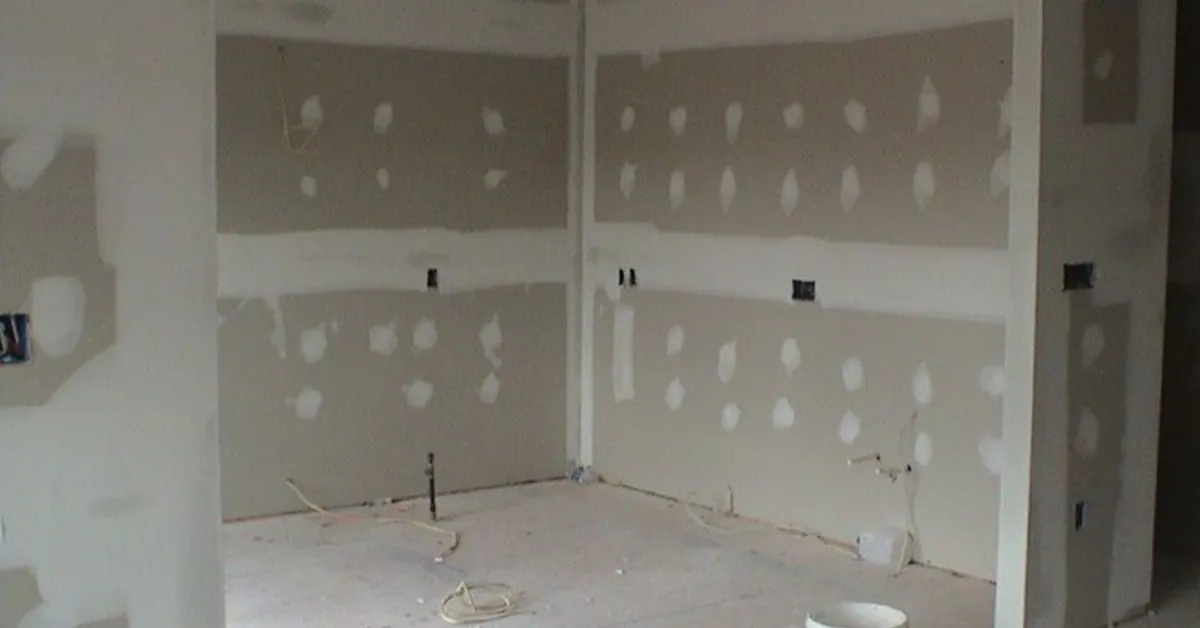
In most cases, sheetrock can be finished soon after the sheets have been properly installed and secured. There is generally no need to wait several days before beginning the finishing process. Once the panels are firmly attached, the joints are ready for taping and joint compound.
However, the actual sheetrock finishing time depends on the materials being used. Standard joint compound needs enough time to dry between applications. Starting the next coat before the previous layer has dried can create soft spots, uneven surfaces, or other finishing problems.
Before beginning, make sure the sheetrock is securely installed, the screws or nails are properly set, and the surface is clean. Proper preparation makes the finishing process easier and helps produce a better final result.
How Long Does Sheetrock Take to Dry?
One of the most common questions homeowners ask is, “how long does sheetrock take to dry?” The answer depends mainly on the type and thickness of the joint compound.
Traditional premixed joint compound may take around 24 hours to dry before another coat can be applied. Thicker applications may require additional drying time. Ready mix products can also take longer when humidity is high or ventilation is poor.
Setting type compounds can dry much faster because they harden through a chemical reaction rather than simply losing moisture. Some products are designed to set within a specific number of minutes, but the manufacturer’s instructions should always be followed.
Drying time is not something that should be rushed. Even when the surface appears dry, deeper layers may still contain moisture. Allowing adequate drying time helps create a stronger and smoother finish.
Factors That Affect Sheetrock Finishing Time
Several conditions can change how quickly joint compound dries after sheetrock installation.
Temperature
Moderate indoor temperatures generally provide better drying conditions. Very cold rooms can slow the drying process, while excessive heat can cause materials to dry unevenly.
Humidity
High humidity can significantly increase sheetrock joint compound drying time. Moisture in the air makes it harder for water in the compound to evaporate.
Ventilation
Good airflow helps moisture leave the room. Opening doors or windows when appropriate and using fans can improve air circulation. However, excessive airflow directly across wet compound can sometimes cause uneven drying.
Thickness of the Compound
A thin coat usually dries faster than a thick application. Applying too much compound at once can make the center remain wet even when the surface feels dry.
Type of Compound
Different joint compounds have different drying and setting characteristics. Always check the product instructions before deciding when to apply another coat.
What Happens During Sheetrock Finishing?
Sheetrock finishing is the process of turning installed panels into a smooth surface that is ready for primer and paint. It involves several steps, and each step plays an important role.
First, the joints between panels are covered with tape. Joint compound is then applied over the tape to create a smooth transition between sheets. Additional coats may be added to widen and blend the joints.
Once the compound has dried, the surface is sanded carefully. The goal is to remove ridges and imperfections without damaging the sheetrock paper.
Additional compound may be applied where needed. After the final coat dries and the surface is properly sanded, the walls can be inspected and prepared for primer.
Why You Should Not Rush Finishing New Sheetrock
Rushing finishing new sheetrock can create problems that become more noticeable after painting. If joint compound has not dried completely, sanding can pull or damage the material. Applying another coat too early can also trap moisture beneath the surface.
Premature sanding may result in rough areas or visible lines. Painting before the compound is completely dry can also affect the appearance of the finished wall.
Taking the necessary time between coats allows the material to dry properly. This is especially important when working on several layers of compound.
A little patience during the finishing process can save time later and help produce walls that look smooth and consistent.
When to Finish Sheetrock After Installation
The best answer to when to finish sheetrock is usually as soon as the installed panels are ready for the finishing process, rather than waiting for an arbitrary number of days.
After a new sheetrock installation, check that all panels are securely fastened and that the joints are properly prepared. Once the installation is complete, taping and joint compound can generally begin.
The important waiting periods come between finishing coats. Each layer needs enough time to dry or set before sanding or applying additional material.
For example, a basic finishing process may involve taping the joints, applying a first coat of compound, allowing it to dry, sanding or smoothing the surface, and then applying additional coats as needed. The exact schedule depends on the product and indoor conditions.
How to Know When Joint Compound Is Dry
Knowing whether joint compound is dry is more important than simply following a clock. Look at the surface carefully before sanding or applying another coat.
Dry compound is generally firm and consistent. Wet areas may appear darker, feel softer, or remain slightly cool to the touch. If any section still looks damp, give it additional time.
Do not rely only on the surface appearance when a thick layer has been applied. Deeper moisture may remain underneath.
Following the product manufacturer’s instructions is also important because drying and setting times vary between materials.
Preparing New Sheetrock for Painting
After drywall finishing after installation, the walls should be inspected carefully before primer and paint are applied. Look for visible seams, sanding marks, screw indentations, ridges, and uneven areas.
Small imperfections can become much more noticeable after paint is applied, especially under bright lighting. Proper surface preparation helps prevent these issues from standing out.
Once the final surface is smooth and clean, primer can be applied. Primer helps create a consistent surface and prepares the sheetrock for the selected paint.
Do not skip the inspection stage. Finding imperfections before painting is much easier than discovering them after the wall has already been coated.
Common Sheetrock Finishing Mistakes
One common mistake is applying thick layers of joint compound to save time. While this may seem faster, thicker applications usually require more drying time and can be harder to sand.
Another mistake is sanding too aggressively. Excessive sanding can damage the paper surface of the sheetrock and create additional work.
Poor ventilation is another issue. A room with high humidity and limited airflow may require considerably more time for compound to dry.
Some homeowners also make the mistake of painting immediately after sanding without properly removing dust. Dust left on the wall can interfere with primer and paint adhesion.
Proper planning and patience can help avoid these problems.
Why Proper Sheetrock Installation Matters
Good finishing starts with good installation. Panels that are properly positioned and securely fastened provide a better foundation for taping and finishing.
At AGP Drywall, the installation process is approached with attention to the details that affect the final appearance of the walls. Proper panel placement, fastening, and preparation can make the finishing stage more efficient.
For homeowners planning new construction, basement finishing, or other interior projects, understanding the relationship between installation and finishing can make the entire process easier to plan.
Plan Your Sheetrock Project Carefully
The question of how long to wait before finishing newly installed sheetrock does not have one universal answer. In most situations, finishing can begin once the panels have been properly installed and prepared. The main waiting periods occur while joint compound dries between coats.
Temperature, humidity, ventilation, compound type, and application thickness can all affect the schedule. Giving each layer enough time to dry is essential for achieving smooth, paint-ready walls.
If you are planning a new construction project or updating an unfinished interior, AGP Drywall can help with sheetrock installation and finishing services. Proper planning from installation through final preparation can help you achieve the clean wall finish you want.
Frequently Asked Questions
How soon can you finish newly installed sheetrock?
Finishing can generally begin once the sheetrock panels are securely installed, properly fastened, and ready for taping. The waiting periods mainly occur between applications of joint compound.
How long does sheetrock joint compound take to dry?
Standard premixed joint compound often takes about 24 hours to dry, but temperature, humidity, ventilation, and application thickness can change the drying time.
Can you paint immediately after finishing sheetrock?
No. The joint compound should be completely dry, and the finished surface should be properly sanded, cleaned, and primed before painting.
Does humidity affect sheetrock finishing time?
Yes. High humidity can slow moisture evaporation and increase the time required for joint compound to dry. Good ventilation can help improve drying conditions.
Why is proper sheetrock installation important before finishing?
Proper installation provides a stable foundation for taping and joint compound. Correct panel placement and fastening can help create smoother seams and make the finishing process easier.
Ready for Your New Sheetrock?
Planning a new construction, basement finishing, or interior wall project? AGP Drywall provides sheetrock installation and finishing services for residential properties. To discuss your project and get started, schedule sheetrock installation with AGP Drywall today or call (715) 393-9680.
