 Latest & News
When a drywall project reaches the taping stage, it can feel like the hard work is almost done. However, painting too soon can cause problems that affect the final look of your walls. The tape, joint compound, and drywall surface all need enough time to dry before primer and paint are applied. Understanding the tape and mud drywall dry time helps you avoid cracks, soft spots, uneven paint, and visible seams.
The exact waiting time depends on several factors, including the type of joint compound, room temperature, humidity, ventilation, and the thickness of the mud. In most cases, drywall mud needs about 24 hours to dry between coats, but some jobs may take longer. Knowing what affects the drywall mud drying time can help you decide when your walls are truly ready for the next step.
What Is the Tape and Mud Drywall Dry Time?
The tape and mud drywall dry time is the amount of time needed for drywall tape and joint compound to dry before another coat, sanding, primer, or paint is applied. Standard premixed joint compound often takes around 24 hours to dry under normal indoor conditions. Thicker areas may need additional time, especially around joints and corners where more mud has been applied.
Drying time is not always the same as curing time. A surface may feel dry on top while the compound underneath is still soft. This is why rushing from drywall taping and painting can create problems later. Waiting until the compound is fully dry gives you a better surface for sanding and helps prevent moisture from becoming trapped beneath primer or paint.
How Long Does Drywall Mud Take to Dry?
So, how long does drywall mud take to dry? For a typical coat of premixed joint compound, 24 hours is a common guideline. Thin coats may dry sooner, while thick applications can take longer. If the room has poor airflow or high humidity, you may need to wait 48 hours or more before continuing.
Temperature also plays an important role in drywall joint compound drying time. A room with steady indoor temperatures and good airflow usually allows the compound to dry more evenly. Avoid using extreme heat to speed things up, because fast surface drying can sometimes leave moisture trapped underneath. A steady environment is usually the better choice.
Factors That Affect Drywall Mud Drying Time
Humidity is one of the biggest factors that can slow drywall mud drying time. When there is a lot of moisture in the air, water from the joint compound has a harder time evaporating. This can make the surface stay soft for much longer than expected. Bathrooms, basements, and poorly ventilated rooms may need extra drying time.
Room temperature and airflow also matter. Cold rooms can slow the drying process, while good ventilation can help moisture leave the compound. Before deciding how long to wait after drywall mud, look at the whole room rather than relying only on the clock. A dry surface, steady temperature, and good airflow are all helpful signs.
How to Know When Drywall Is Ready for Painting
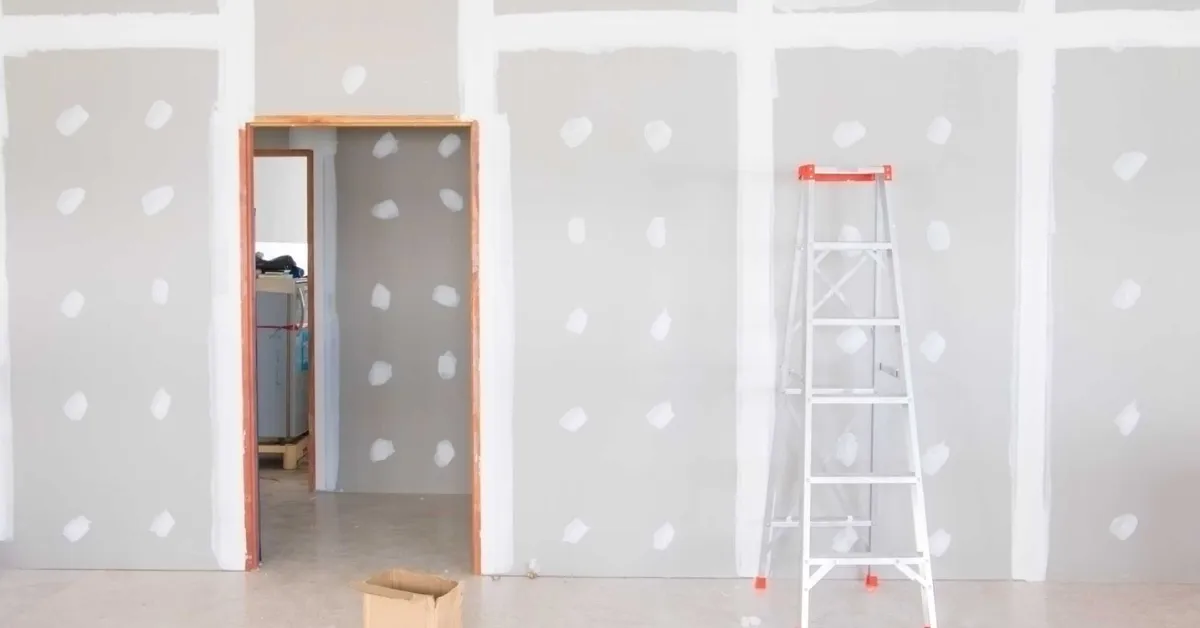
One of the easiest ways to check your walls is by looking closely at the joint compound. Properly dried mud usually looks lighter and more even in color. Darker areas may indicate that moisture is still present. You can also gently touch an inconspicuous spot to check whether the compound feels firm instead of soft or cool.
The surface should also be smooth after sanding drywall before painting. There should be no damp areas, soft patches, raised tape, or obvious ridges along the seams. If you can still see uneven spots after sanding, the wall may need another thin coat of compound rather than primer. Taking time during drywall finishing before painting helps create a much cleaner result.
When to Paint New Drywall After Taping
Knowing when to paint new drywall depends on more than simply waiting one day. The drywall tape needs to be properly covered with joint compound, and each coat needs enough time to dry. Once the final coat is completely dry, the surface can be sanded and checked for imperfections before primer is applied.
For painting new drywall after taping, preparation is just as important as drying time. Dust from sanding should be removed before applying primer. Applying paint directly over unfinished joint compound can lead to uneven absorption and a patchy finish. A good drywall primer creates a more consistent surface and helps the paint look even across both the drywall paper and finished seams.
Why You Should Not Paint Wet Drywall Mud
Painting over wet joint compound can trap moisture under the coating. As the mud continues to dry, it may shrink and cause cracks, visible seams, or changes in texture. The paint can also look uneven because different parts of the wall absorb moisture at different rates.
Another issue is that wet compound is not ready for proper sanding. If you sand too early, the surface can become damaged instead of smooth. This can make the finishing process take longer. Giving the compound enough time to dry is one of the simplest ways to prevent avoidable problems.
Proper Steps Before Painting Drywall
The first step is to allow every coat of joint compound to dry fully. After the final coat has dried, inspect the walls under good lighting. Look for dents, ridges, cracks, exposed tape, or areas where the compound is still uneven. Fixing these problems before painting is much easier than trying to hide them with several coats of paint.
Next, focus on prepare drywall for painting steps such as sanding, cleaning, and priming. Sand the surface carefully without removing too much compound or damaging the drywall paper. Remove all sanding dust, then apply a suitable drywall primer after taping. Once the primer dries, inspect the wall again before applying your finish paint.
Can Ventilation Make Drywall Mud Dry Faster?
Yes, proper ventilation can help reduce drying time by allowing moisture to leave the room. Opening doors or windows when conditions allow can improve airflow. A fan can also help move air through the space, but it should not blow directly against wet compound at a very high speed.
The goal is steady drying rather than forcing the process. If the room remains damp, the how long to wait after drywall mud question may have a different answer than it would in a dry, well-ventilated room. Patience is usually better than rushing the surface and having to redo part of the finishing work.
How AGP Drywall Helps With Drywall Finishing
Getting the timing right is an important part of a quality drywall project. At AGP Drywall, the goal is to create properly finished surfaces that are ready for the next stage of your project. Careful taping, mudding, sanding, and surface preparation can make a noticeable difference once primer and paint are applied.
If you are planning new construction, a basement project, or another drywall installation, working with an experienced drywall contractor can help you avoid common finishing mistakes. AGP Drywall serves homeowners who want clean drywall installation and replacement work with attention to the details that matter before painting.
Common Mistakes That Delay Painting
One common mistake is applying thick layers of joint compound in an attempt to finish the seams faster. Thick mud takes longer to dry and can shrink as moisture leaves the compound. Applying thinner coats and allowing enough drying time between them often produces better results.
Another mistake is skipping the primer or sanding too quickly. Primer is important because joint compound and drywall paper absorb paint differently. If you skip this step, the finished wall may have noticeable differences in sheen and color. Proper drywall taping and painting requires patience at each stage rather than trying to complete everything in one day.
Final Thoughts
The typical tape and mud drywall dry time is around 24 hours between standard coats, but the real drying period depends on the room and the amount of compound used. High humidity, low temperatures, poor airflow, and thick applications can extend the process. Before painting, make sure the compound is completely dry, smooth, and free from dust.
If you want a smooth painted wall, do not treat drying time as a step you can skip. Allow the compound to dry, sand carefully, clean the surface, and apply primer before your finish paint. AGP Drywall can help with drywall installation and replacement projects so your walls are properly prepared for the finishing stage. Call (715) 393-9680 to discuss your drywall project.
Frequently Asked Questions
How long should drywall mud dry before painting?
Standard premixed drywall mud often needs about 24 hours to dry between coats. Thick areas or rooms with high humidity may need 48 hours or longer. Always check that the compound is firm and fully dry before sanding, priming, or painting.
Can I paint drywall mud after 12 hours?
It may be possible in a warm, dry, well-ventilated room if the compound is completely dry, but 12 hours is often too soon for standard joint compound. Check for darker or soft areas before moving forward.
Do I need primer after drywall taping?
Yes. Primer is strongly recommended for new drywall and finished joint compound. It helps create an even surface and reduces differences in paint absorption between the drywall paper and joint compound.
What happens if I paint wet drywall mud?
Painting wet mud can trap moisture and may lead to cracks, uneven texture, visible seams, or poor paint adhesion. Waiting until the compound is completely dry helps prevent these issues.
Can a fan speed up drywall mud drying?
A fan can improve airflow and help moisture leave the room, which may support faster drying. However, the compound still needs enough time to dry properly. Avoid trying to force the process with excessive heat or airflow.
