 Blog
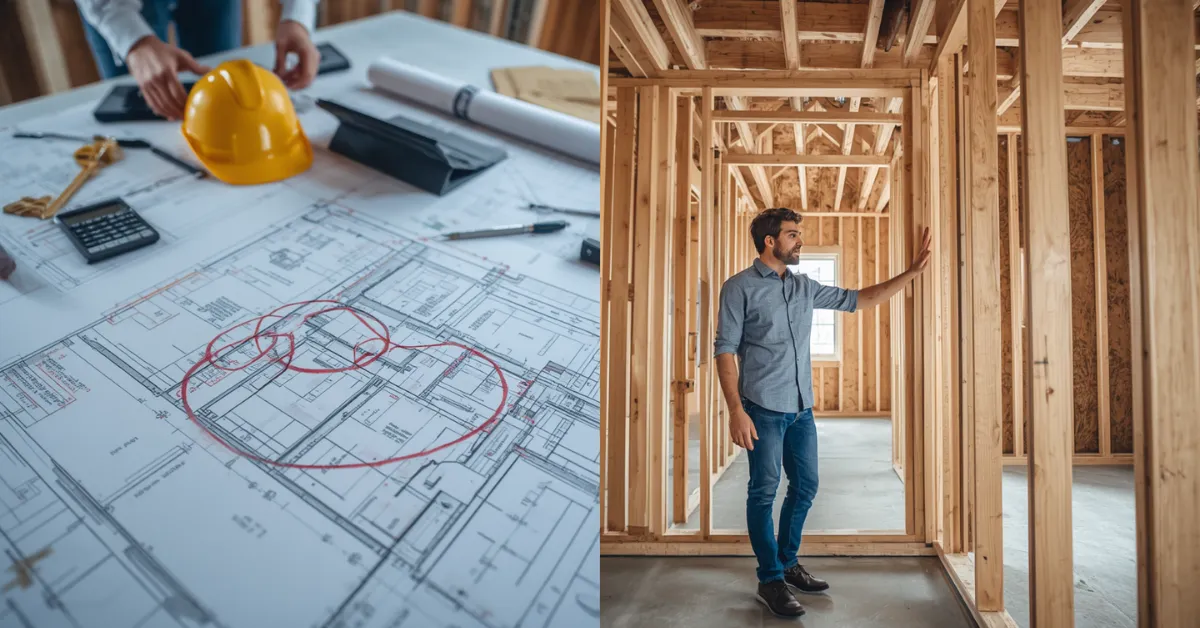
BlogBuilding a custom home requires careful planning and attention to detail at every stage. One of the most critical aspects involves ensuring your blueprint properly accounts for wall installation and structural framing elements. Understanding drywall services benefits early in the planning process can save thousands of dollars and prevent major headaches during construction. When working with a custom drywall service, the blueprint becomes your roadmap to success, and any compatibility issues between your design vision and practical installation requirements must be identified before construction begins.
Understanding Blueprint Basics for Wall Installation
Your blueprint serves as the foundation for every construction decision. Before hiring a custom drywall service, take time to review your plans thoroughly. Look for room dimensions, ceiling heights, and wall placements. These measurements directly impact material quantities and installation techniques. Many homeowners overlook small details that become big problems later.
Pay special attention to load bearing walls versus partition walls. This distinction matters tremendously when planning for structural integrity and future modifications. Your framing layout should clearly indicate which walls support weight from above and which simply divide space. A quality drywall service will need this information to determine proper fastening methods and backing requirements.
Check that your blueprint includes adequate blocking for heavy fixtures like cabinets, televisions, and towel bars. These reinforcements must be installed during framing, not after panels go up. Missing this step creates unnecessary complications and potential structural weaknesses.
Evaluating Framing Specifications
Framing serves as the skeleton for your walls and ceilings. Your blueprint should specify stud spacing, typically sixteen or twenty four inches on center. This spacing affects both structural strength and panel attachment points. Most building codes require specific spacing based on wall height and expected loads.
Review header sizes over windows and doors carefully. Undersized headers can cause sagging and cracking over time. Your custom drywall service provider will appreciate properly sized framing members that create smooth, even surfaces. Twisted or bowed studs create installation challenges that show through finished surfaces.
Examine corner details where walls intersect. Proper corner framing requires extra studs to provide attachment surfaces for panels on both walls. Missing corner backing is a common blueprint oversight that causes problems during installation. Three stud corners or California corners both work well when shown correctly on plans.
Ceiling framing deserves equal attention. Joist direction, spacing, and any special blocking for light fixtures or ceiling fans must appear on your blueprint. A professional custom drywall service needs this information to plan material cuts and minimize waste.
Identifying Potential Compatibility Issues
Compatibility problems often hide in plain sight on blueprints. Look for unusually long spans without intermediate support. Panels come in standard sizes, and excessive distances between attachment points can create sagging or cracking. Your custom drywall service may recommend additional framing members in these areas.
Check doorway and window openings for proper dimensions. Rough openings must account for jamb thickness and shimming space while maintaining finished dimensions. Miscalculated openings cause delays and extra costs during construction. Verify that your blueprint shows both rough and finished opening sizes clearly.
Electrical and plumbing penetrations need careful consideration. Outlets, switches, and plumbing fixtures require precise placement and proper backing. Your blueprint should coordinate these trades to avoid conflicts. A custom drywall service works more efficiently when utility locations are clearly marked and properly framed.
Look for architectural features like curved walls, soffits, or tray ceilings. These elements require specialized framing techniques and impact installation complexity. Make sure your blueprint provides adequate construction details for these features. Simple elevation drawings may not convey enough information for proper execution.
Coordinating With Your Construction Team
Communication between trades prevents costly mistakes. Share your blueprint with your custom drywall service provider early in the planning process. Their experience often reveals issues that others might miss. They can suggest modifications that improve both aesthetics and functionality while reducing installation time and material waste.
Schedule a pre construction meeting with all relevant trades. Discuss potential conflicts and confirm that everyone understands the blueprint requirements. This collaboration ensures smooth workflow and minimizes surprises during construction. Your custom drywall service can coordinate with framers, electricians, and plumbers to optimize the installation sequence.
Document any changes or modifications during construction. Blueprint revisions happen frequently as projects progress. Keeping accurate records ensures that your custom drywall service works from current information. Outdated plans lead to mistakes that cost time and money.
Request a framing inspection before panel installation begins. Walking through the structure allows you to verify that framing matches blueprint specifications. This step provides one last opportunity to address issues before they become hidden behind finished surfaces.
Planning for Energy Efficiency and Sound Control
Modern construction emphasizes performance beyond basic shelter. Your blueprint should address insulation requirements and sound transmission concerns. These factors affect framing details and material selection for your custom drywall service. Proper planning creates comfortable, energy efficient living spaces.
Check that your blueprint specifies insulation types and R values for all exterior walls and ceilings. Some jurisdictions require specific thermal performance levels. Your framing must accommodate chosen insulation products without compression or gaps. A knowledgeable custom drywall service understands how insulation affects installation techniques.
Consider sound control between rooms, especially bedrooms, bathrooms, and media spaces. Your blueprint might include resilient channels, sound dampening clips, or extra layers of panels. These acoustic treatments require special framing considerations and increase project complexity. Discussing these features with your custom drywall service during planning prevents misunderstandings later.
Common Blueprint Mistakes to Avoid
Even professionally drawn blueprints sometimes contain errors. Watch for conflicting dimensions or details that don’t match between different drawing sheets. Cross reference floor plans with electrical plans and structural details to catch discrepancies. Your custom drywall service will struggle with contradictory information.
Beware of unrealistic expectations regarding panel placement and finishing. Some architectural features look beautiful on paper but create installation nightmares. Sharp inside corners, excessive angles, or extremely high ceilings all increase difficulty and cost. Balance design ambitions with practical construction realities.
Verify that your blueprint includes adequate fire blocking and draft stopping as required by building codes. These safety features protect your family and satisfy inspection requirements. Your custom drywall service should not bear responsibility for missing code required elements that belong in the original design.
Frequently Asked Questions
What should be included in a blueprint for wall panel installation?
Your blueprint needs complete framing details including stud spacing, header sizes, corner construction, ceiling joist layout, and blocking for fixtures. These specifications help your contractor estimate materials and plan efficient installation.
How can blueprint errors affect my construction timeline?
Blueprint mistakes cause delays when discovered during construction. Resolving conflicts between trades, ordering additional materials, or redesigning details all consume valuable time. Thorough blueprint review before construction starts keeps projects on schedule.
Why does stud spacing matter for panel installation?
Standard panel sizes work best with consistent stud spacing. Irregular spacing creates unnecessary cuts, increases waste, and may compromise structural attachment. Proper spacing ensures strong, attractive finished walls.
When should contractors review construction blueprints?
Share blueprints with all trades during the planning phase, weeks before construction begins. Early review allows time to identify issues and make corrections without delaying the project start date.
What role does blocking play in wall construction?
Blocking provides solid backing for mounting heavy items like cabinets and televisions. This reinforcement must be installed during framing, before panels cover the wall structure. Proper blocking locations should appear clearly on your blueprint.
Conclusion
Auditing your custom home blueprint for compatibility issues protects your investment and ensures smooth construction. Careful attention to framing specifications, utility coordination, and architectural details prevents costly mistakes. Working closely with experienced professionals who understand the relationship between design documents and practical installation creates better outcomes. AGP Drywall and similar qualified contractors appreciate clients who take time to understand their blueprints and ask informed questions. Start your custom home project with confidence by thoroughly reviewing plans and addressing potential issues before construction begins. Contact professional contractors today to discuss your blueprint and ensure your dream home becomes reality without unnecessary complications.
