 Blog
BlogPriming fresh drywall is one of those steps many people rush, then regret later when streaks or uneven areas appear under the final paint. I learned this the hard way while finishing a spare room and wondering why the walls looked blotchy no matter how careful I was. The truth is that priming drywall correctly sets the tone for the entire project. When done right, it creates a smooth, uniform surface that helps paint look consistent and professional from every angle.
Why Proper Drywall Priming Matters
Drywall priming plays a critical role in how walls look and perform over time. Drywall sheets and joint compounds absorb moisture at different rates. Without primer, paint sinks unevenly, causing dull spots and visible texture changes.
Another reason priming new drywall matters is durability. Primer binds surface dust and provides a stable base for paint. According to the Painting and Decorating Contractors of America, primed surfaces improve paint adhesion and long term performance significantly. In simple terms, primer helps walls look better and stay that way longer.
How Primer Affects Final Paint Appearance
Primer creates an even surface color and texture. This helps the paint dry uniformly and reduces the chance of roller marks or flashing under bright light.
Selecting the Best Primer for Drywall
Choosing the right primer can make or break the outcome. Not all primers are designed for drywall, and using the wrong one often leads to streaking.
Water based drywall primers are the most common choice for interior spaces. They dry quickly, clean up easily, and offer consistent coverage. Oil based primers can work but usually take longer to dry and require more ventilation. For most homes, a quality acrylic drywall primer provides the best balance of coverage and ease of use.
Matching Primer to Surface Conditions
Smooth drywall surfaces need a different approach than areas with heavy joint compound. Always check the label to confirm the primer is intended for drywall priming applications.
Preparing the Surface Before Priming
Preparation is where most success happens. Even the best primer cannot hide dust, uneven sanding, or leftover debris. Start by wiping the walls with a damp cloth to remove fine dust and let them dry fully.
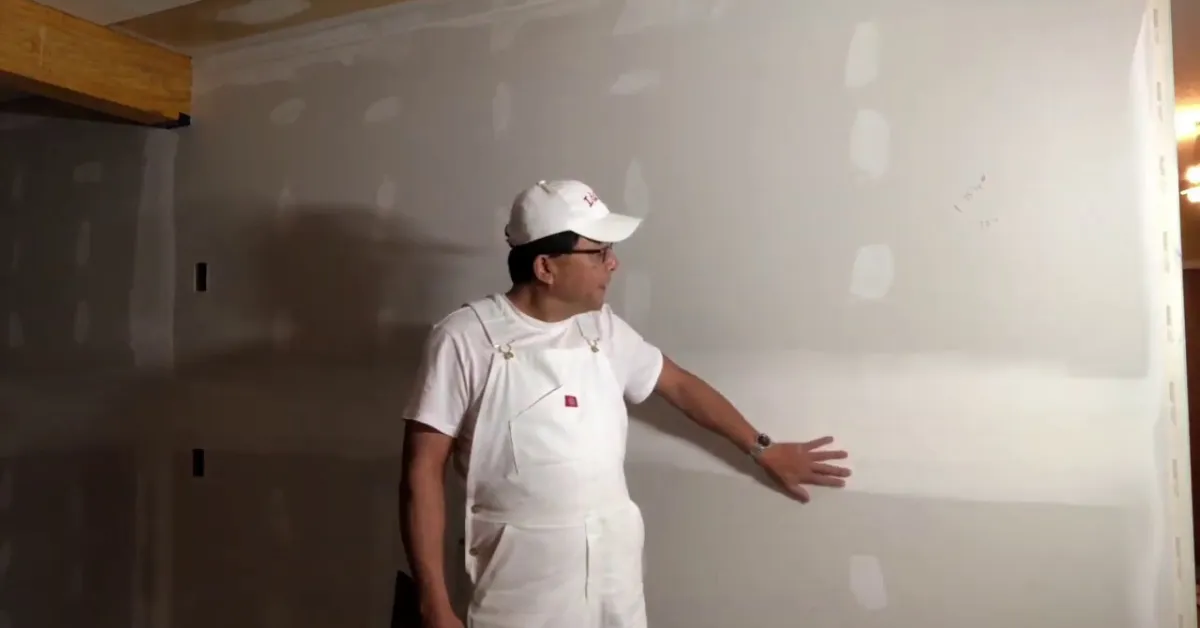
Priming drywall patches requires extra care. These areas absorb primer faster than the surrounding wall. Feather the edges smoothly so they blend naturally. Skipping this step often results in visible outlines after painting, especially in rooms with strong lighting.
The Importance of Clean and Even Texture
A smooth surface allows the primer to spread evenly. Taking time here reduces the need for additional coats later.
Application Techniques That Prevent Streaks
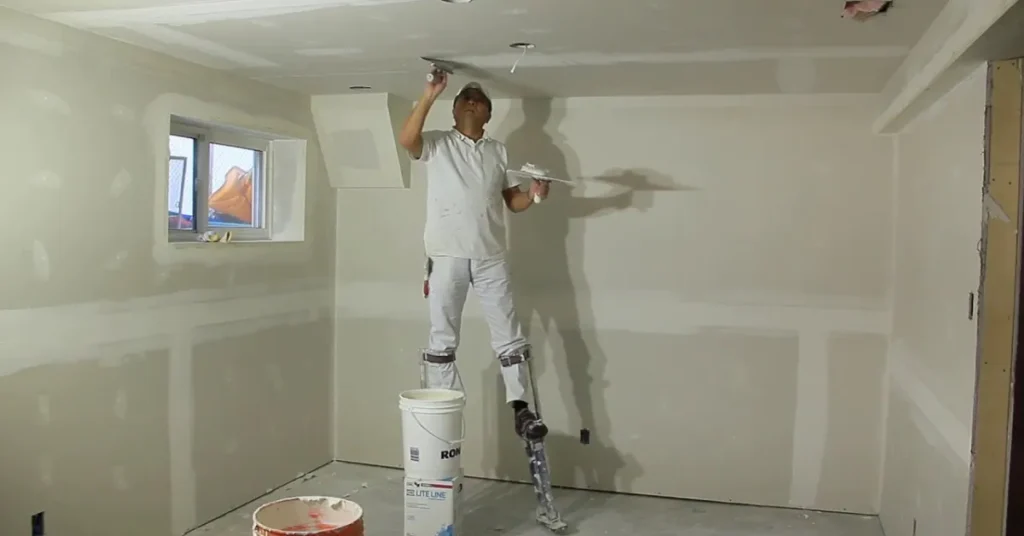
Technique matters just as much as product choice. Begin by cutting in corners and edges with a brush, then roll the larger sections while the edges are still wet. This keeps the surface consistent.
Use a roller with a medium nap, usually three eighths of an inch, and load it evenly. Apply primer using steady pressure and overlap strokes slightly. Avoid going back over areas that have started to dry. Most streaks appear because people try to fix spots that would have leveled out on their own.
Maintaining a Wet Edge
Working in sections and keeping a wet edge helps primer blend smoothly and prevents lap marks.
Drying Time and Coat Planning
Patience is often overlooked during drywall priming. While many primers dry to the touch within an hour, that does not mean they are ready for paint. Allowing proper drying time helps the primer cure evenly.
Ventilation helps speed drying, but avoids direct airflow hitting the wall. When deciding on priming drywall how many coats are needed, inspect the surface after it dries. If it looks even and matte under different lighting, one coat may be enough. More porous areas might need a second light coat.
Signs the Primer Is Ready
A dry primer should feel room temperature and look uniform without shiny patches.
Common Mistakes That Lead to Patch Marks
Small shortcuts often lead to big problems. Using low quality rollers can leave fibers behind. Skipping spot priming on joint compound causes uneven sheen later. Another common issue is assuming primer will hide poor surface prep.
Evaluating your work under side lighting can reveal flaws early. Fixing them at the primer stage is far easier than trying to hide them with paint.
Frequently Asked Questions
Do I need primer before painting drywall?
Yes, primer seals the surface and ensures even paint coverage.
Can primer replace paint on drywall?
Primer prepares the surface but is not designed as a final finish.
How long should primer dry on drywall?
Most primers need at least two hours, though checking the product label is recommended.
Why do patched areas show through after priming?
Uneven absorption or poorly blended edges are the usual causes.
Is one coat of primer always enough?
Often yes, but very porous surfaces may benefit from a second coat.
Final Thoughts and Call to Action
Priming drywall is the foundation of smooth, professional looking walls. When you choose the right primer, prepare the surface carefully, and apply it with patience, streaks and patch marks become easy to avoid. If you want consistent results without second guessing every step, working with experienced professionals like AGP Drywall Priming Services can make all the difference on your next project.
