 Blog
BlogWhen tackling a fresh interior project, applying primer paint for new drywall seems straightforward, but many homeowners find themselves scratching their heads when the paint doesn’t adhere properly. Painting drywall is supposed to be a simple step, yet often, new drywall paint and primer end up peeling, bubbling, or leaving streaks. If you’ve ever wondered, can you paint drywall and expect a flawless finish right away, you’re not alone. Understanding why primer sometimes fails and how to approach drywall painting correctly is essential to achieving smooth, long-lasting walls.
Understanding New Drywall and Its Challenges
New drywall is surprisingly absorbent, which is why primer paint is crucial. Unlike older walls, fresh drywall sheets have a paper surface and gypsum core that soak up paint unevenly. If you skip or choose the wrong primer, you risk uneven color, patchiness, and wasted paint. The key to avoiding these problems starts with recognizing that drywall is different from other surfaces.
Primer paint for new drywall isn’t just a coat of color; it’s a barrier that prepares the surface. Think of it as sunscreen for your walls, it keeps the topcoat from being absorbed too quickly and ensures even coverage. High-quality primers designed for new drywall also seal the porous surface, reducing the likelihood of streaks and blotches. Without this step, even the best paint can look amateurish.
Common Reasons Primer Fails on New Drywall
Incorrect Surface Preparation
One of the most common issues is inadequate surface preparation. Dust, joint compound residue, or even fingerprints can interfere with primer adhesion. Lightly sanding the drywall and removing dust ensures the primer bonds correctly. Skipping this step often leads to peeling or flaking, making it seem like the paint itself is at fault.
Using the Wrong Primer
Not all primers are created equal. Some homeowners grab a general-purpose primer from the store, assuming it works for every surface. Primer paint for new drywall is specially formulated to handle porous surfaces, unlike standard wall primers. Using the wrong type may leave you with uneven absorption, streaking, and extra coats of paint.
Environmental Factors
Humidity and temperature play a surprisingly big role. Drywall installed in high-humidity areas or painted in extreme temperatures can cause the primer to dry too slowly or too quickly. This affects adhesion and can result in an inconsistent finish. Ensuring your environment is suitable for painting drywall is just as important as choosing the right primer.
How to Apply Primer Paint Correctly
Choosing the Right Primer
Opt for a primer specifically labeled for new drywall. These products contain sealing agents that prevent over-absorption and create a uniform surface for your paint. Look for terms like “drywall primer” or “sealing primer” on the label to avoid confusion.
Proper Application Techniques
- Use a high-quality roller for large surfaces and a brush for corners and edges.
- Apply a thin, even coat rather than thick layers. Thick coats can bubble or peel.
- Allow the primer to dry completely before adding a topcoat. Follow the manufacturer’s recommended drying time closely.
Multiple Coats When Needed
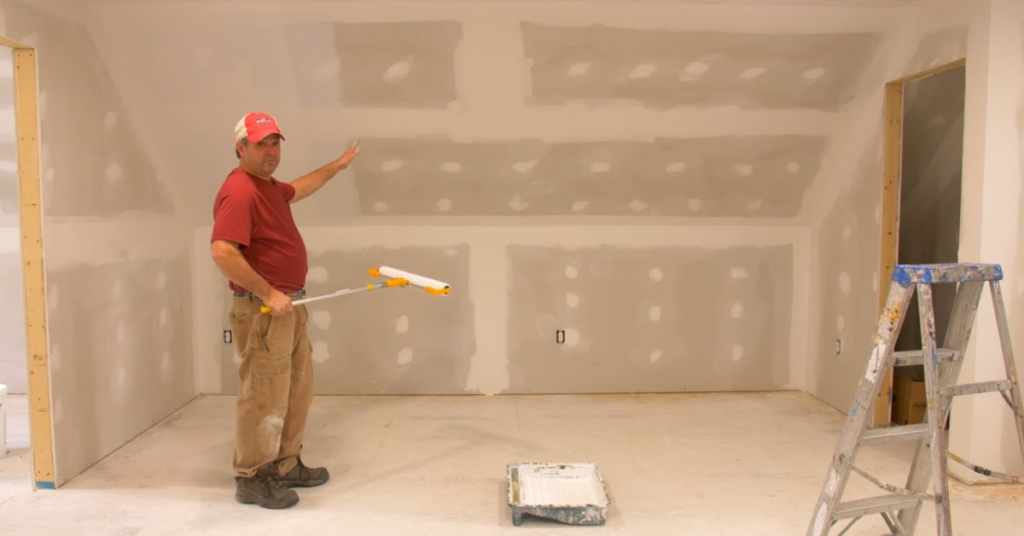
Some new drywall surfaces are extra porous, absorbing more primer than expected. In these cases, a second coat may be necessary. Test a small patch first to see if the topcoat absorbs evenly. This small step saves time and paint in the long run.
Choosing the Right Paint After Priming
Once your primer paint for new drywall has fully dried, you’re ready for the topcoat. Selecting a high-quality paint designed for interior walls ensures your finish is smooth and long-lasting. Many painters prefer latex paints for new drywall because they provide excellent coverage, are easy to clean, and resist fading over time.
Remember, the primer’s main job is to create an even base. Even the most expensive paint will struggle on improperly primed drywall. Treat primer as the foundation of your painting project rather than just a preparatory step.
Maintenance Tips for Painted Drywall
Maintaining your freshly painted walls is easier if you start with a good primer. Some practical tips include:
- Clean walls gently with a damp cloth to remove dust or fingerprints.
- Avoid harsh chemicals that can degrade the paint finish.
- Touch up small marks with the same paint type to maintain uniformity.
Following these simple guidelines extends the life of your paint and keeps new drywall looking fresh and polished.
Frequently Asked Questions
Why does primer paint fail on new drywall?
Primers can fail due to surface dust, incorrect primer type, or environmental conditions like humidity. Proper surface preparation is essential.
Can you paint drywall without a primer?
You can, but it’s not recommended. Skipping primer often leads to uneven coverage, streaks, and more paint usage.
How long should primer dry on new drywall?
Drying time varies by product, but most primers need 1 to 4 hours before applying a topcoat. Check the manufacturer’s instructions for accuracy.
What is the best primer for new drywall?
Look for drywall-specific primers or sealing primers designed to handle porous surfaces. These ensure even absorption and a smooth topcoat.
Do I need more than one coat of primer for new drywall?
Sometimes, especially if the drywall is highly porous. A second coat ensures consistent absorption and a uniform finish.
Conclusion
Primer paint for new drywall is not an optional step, it’s essential for achieving professional-looking walls. Understanding why primer fails, how to choose the right product, and applying it correctly ensures your drywall painting efforts pay off. Whether you are tackling a small bedroom or a large living space, investing in proper primer and application techniques makes all the difference. For expert guidance and quality materials, AGP Drywall and Painting can help you get the best results, ensuring your walls are smooth, vibrant, and ready for years of enjoyment.
