
 Blog
BlogSanding drywall with grit sandpaper is a crucial step to achieve a smooth, professional-looking finish before painting. Choosing the right grit ensures your walls are perfectly prepped, prevents uneven textures, and makes your paint adhere evenly. Many homeowners and DIY enthusiasts struggle with selecting the proper sandpaper for drywall, but understanding the options and their uses can save time, reduce frustration, and deliver a flawless result.
Why Choosing the Right Grit Sandpaper Matters
Drywall surfaces often have imperfections, whether from taping, mudding, or previous painting. Using the wrong grit can either leave scratches that show through paint or fail to smooth rough areas adequately. Grit sandpaper for drywall comes in various levels, each designed for specific stages of sanding. Coarse grits remove excess material quickly, while finer grits create a smooth, even surface ideal for painting. Getting this step right prevents uneven finishes and reduces the likelihood of noticeable bumps or ridges on your walls.
Proper sanding also ensures paint sticks better, lasts longer, and looks professional. When sanding drywall with grit sandpaper, the goal is to create a surface that is slightly matte and free of lumps. This attention to detail can transform a room, giving it a crisp, clean appearance that highlights your paint choice rather than distracting from it.
Recommended Grits for Different Drywall Stages
Coarse Grit Sandpaper
For initial sanding, coarse sandpaper such as 60 to 80 grit is best for leveling large imperfections. This grit works well on fresh drywall mud, smoothing out ridges and high spots efficiently. However, it is too harsh for final finishing as it can leave scratches that paint will reveal. Use it sparingly on corners and areas with significant texture to avoid over-sanding.
Medium Grit Sandpaper
Medium grit, ranging from 100 to 120, is ideal for intermediate sanding. This grit balances material removal with surface smoothness. It is often used after applying joint compound or after initial coarse sanding. Medium grit helps blend seams and edges seamlessly into the rest of the wall, preventing noticeable lines after painting.
Fine Grit Sandpaper
Fine grit sandpaper, 150 to 220, is perfect for finishing touches. It creates a smooth, uniform surface, eliminating minor scratches from previous sanding stages. Fine grit is especially important when preparing walls for glossy or semi-gloss paints, as imperfections become more visible with reflective finishes. Using fine grit correctly results in professional-looking walls that require minimal touch-ups after painting.
Techniques for Sanding Drywall Effectively
Use the Right Tools
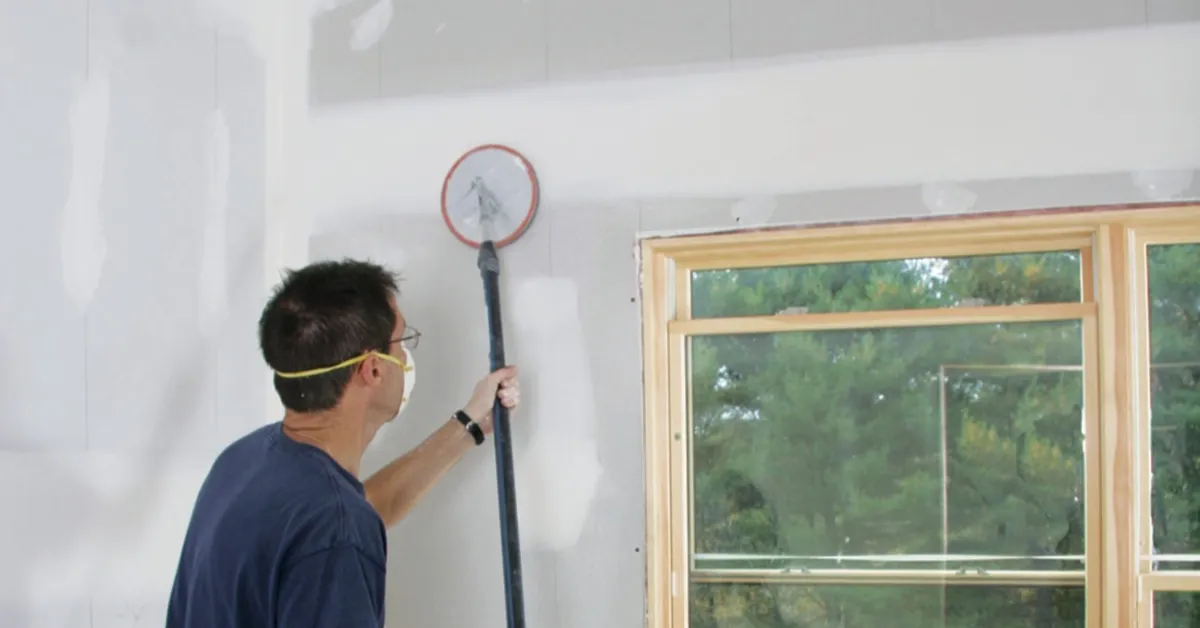
Hand sanding with a sanding block works well for small areas and edges. For larger walls, a pole sander or drywall sanding tool reduces fatigue and provides even pressure. Avoid pressing too hard, as this can create uneven surfaces and unnecessary scratches. Sanding drywall with grit sandpaper requires patience and consistent, gentle strokes.
Sand in Circular Motions
Circular motions help prevent lines and grooves from forming. Start with broader strokes and gradually move to smaller, detailed areas. Keep the sandpaper clean, and replace it when it becomes clogged to maintain effectiveness. Dust management is essential, so using a vacuum attachment or wearing a mask will keep your workspace safe and cleaner.
Check Your Progress
Regularly run your hand over the surface to feel for bumps or rough areas. A quick visual check from different angles under good lighting ensures no imperfections are missed. Sanding drywall is a step where attention to detail pays off. Rushing through this process often results in paint imperfections that are difficult to fix later.
Common Mistakes to Avoid
Many people make avoidable errors when sanding drywall. Using overly coarse sandpaper during the final stage can create visible scratches, while skipping medium grit leads to uneven surfaces. Another mistake is applying excessive pressure, which damages the drywall paper and requires additional mud to cover. Dust can also settle into seams if not properly cleaned, reducing paint adhesion. Patience, proper grit selection, and consistent sanding technique prevent these common problems and ensure a professional finish.
Maintenance Tips After Sanding
Even after sanding, maintaining the wall before painting matters. Dust removal is key. Wipe down walls with a slightly damp cloth or use a vacuum with a soft brush attachment. Avoid touching the wall with bare hands, as oils can transfer and affect paint coverage. Ensuring a clean, smooth surface maximizes the effectiveness of your chosen paint and enhances the durability of the finish.

FAQ
What grit sandpaper for drywall is best for finishing?
Fine grit sandpaper, typically 150 to 220, works best for final smoothing before painting. It removes minor scratches and creates a uniform surface.
Can I sand drywall with grit sandpaper by hand?
Yes, hand sanding with a block is effective for small areas and corners. For large walls, a pole sander is more efficient and reduces fatigue.
Is medium grit sandpaper necessary for drywall?
Using medium grit, around 100 to 120, helps blend seams and smooth areas after coarse sanding. Skipping this stage may leave visible lines.
How do I prevent dust when sanding drywall?
Use a vacuum attachment, wear a mask, and consider lightly dampening the wall to minimize airborne dust. Regular cleaning ensures paint adheres properly.
How many times should I sand drywall before painting?
Sanding typically occurs in stages: coarse for major imperfections, medium for smoothing, and fine for finishing. Following these three steps ensures a flawless wall ready for painting.
Conclusion
Selecting the right grit sandpaper for drywall before painting is more than a minor step; it determines the overall quality of your finish. Proper grit selection, combined with consistent technique and careful dust management, ensures walls that are smooth, even, and professional-looking. Coarse grit handles rough areas, medium blends seams, and fine grit delivers the polished surface your paint needs. By following these strategies, your painting project becomes simpler, cleaner, and more effective. Trust AGPdrywall to provide guidance on the right sanding methods, helping you achieve walls that look and feel impeccable.
