 Blog
BlogDrywall seems straightforward at first glance, but when installed poorly, it can cause a chain reaction of frustrating drywall problems. Uneven seams, sagging panels, and persistent cracks are not just cosmetic issues, they can signal deeper structural concerns that can affect the stability and appearance of your home. Understanding how improper installationcontributes to these issues is key to avoiding headaches down the line.
Common Drywall Problems and Their Causes
Many homeowners encounter drywall problems that range from minor annoyances to serious structural concerns. Some of the most common issues include:
- Cracks along seams or corners
- Bubbles or warping in the panels
- Uneven surfaces or misaligned sheets
These issues often stem from rushed installation, poor-quality materials, or improper techniques. Even slight misalignments during hanging can magnify over time, causing walls to look crooked or uneven. Moisture exposure can worsen the situation, leading to sagging drywall or peeling tape. Knowing what to look for early can prevent problems from escalating.
Drywall Taping Problems
Drywall taping is more than just slapping on some joint compound and tape. Poor taping can leave visible seams, ridges, and cracks that refuse to smooth out. When taping isn’t done properly, even a freshly painted wall can show lines, bumps, or small fissures. These flaws are not only unsightly but also compromise the wall’s durability. Improper taping often results from uneven mud application, low-quality tape, or insufficient sanding between coats.
Moisture and Sagging Issues
Drywall is sensitive to moisture, and if panels are exposed to humidity or leaks during or after installation, sagging and bubbling are almost inevitable. Bathrooms, basements, and kitchens are particularly vulnerable. Once moisture penetrates the drywall, the compound softens, tape loosens, and panels can start to pull away from studs. Over time, this can lead to more severe wall deformities and persistent wall problems that are frustrating to manage.
Drywall Cracks and Foundation Problems
Cracks in drywall are often dismissed as minor cosmetic flaws, but they can indicate underlying structural issues. One of the most concerning causes is foundation shifting or settling. As the foundation moves, even slightly, it puts stress on walls, causing cracks to appear along seams, corners, and near doorframes.
Recognizing Serious Signs
Not all cracks are created equal. Hairline fractures that appear randomly are usually harmless, but long, diagonal cracks that follow a consistent pattern often point to foundation problems. Tracking these cracks over time can help determine whether they are worsening, which may indicate that the issue lies beyond simple drywall installation.
Prevention Through Quality Installation
Properly hung drywall, securely fastened to studs, reduces the likelihood of cracks caused by minor foundation movement. When installation takes into account wall alignment, stud placement, and joint reinforcement, walls are better equipped to handle subtle shifts without showing immediate damage.
Poor Workmanship and Its Ripple Effects
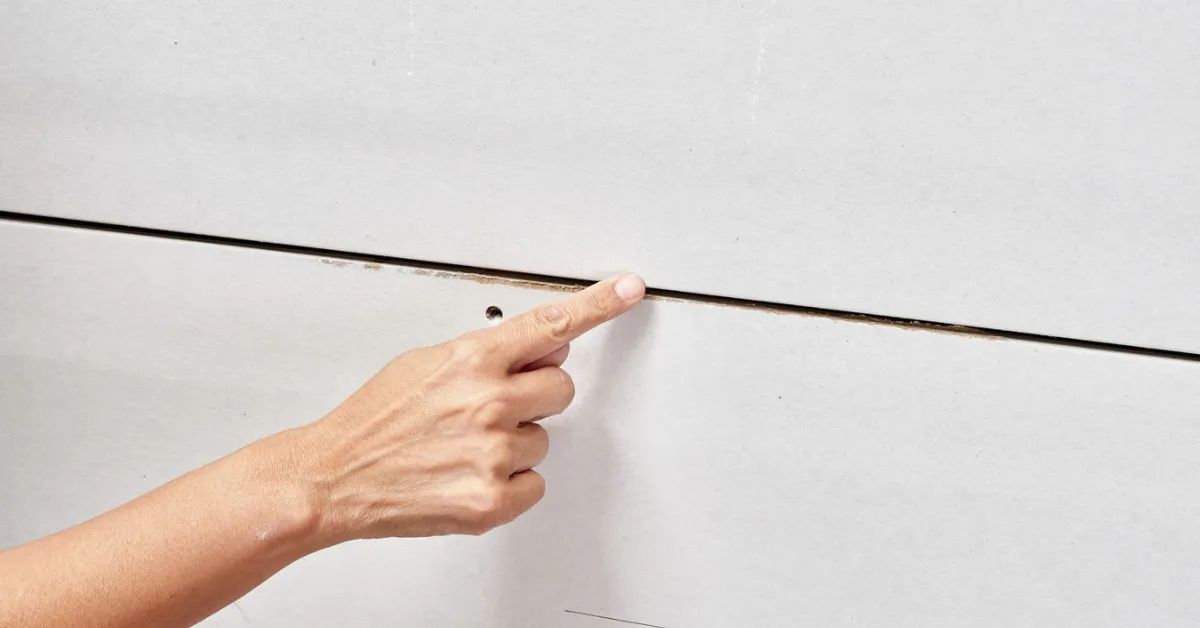
Even minor mistakes during drywall installation can create a domino effect. Uneven screws, gaps between panels, or insufficient mud layers can start as small imperfections but quickly snowball into persistent problems. These flaws often appear months or even years after installation, making them difficult to attribute to the original work.
Everyday Examples
Consider a living room where drywall corners were not properly aligned. At first, it might just look slightly off, but over time, light reflects differently, paint peels, and cracks form along edges. Similarly, a ceiling with uneven panels can start to sag in places, drawing attention and prompting unnecessary maintenance efforts.
Tips for Minimizing Drywall Problems
While completely avoiding drywall issues requires professional expertise, there are steps homeowners can take to minimize the risk:
- Keep rooms well-ventilated to prevent moisture buildup
- Inspect walls regularly for early signs of cracks or bulges
- Avoid hanging heavy fixtures on improperly supported walls
- Use quality drywall materials when renovating or adding new panels
Being proactive can help ensure your walls stay smooth and stable for years, reducing the frustration that comes with persistent wall problems.
Signs That Installation May Be the Issue
Recognizing whether drywall problems are due to installation or other factors is crucial. Look for patterns such as:
- Repeated cracking along taped seams
- Panels that appear warped or uneven
- Corners that are not perfectly square
- Walls that seem to bulge or separate from the ceiling
If multiple signs are present, the root cause is likely the original installation rather than natural settling or minor wear.
FAQs
What causes common drywall problems in new homes?
Poor hanging techniques, insufficient joint mud, and low-quality materials are often responsible for cracks, bubbles, and uneven surfaces. Foundation movement can exacerbate these problems over time.
How can drywall taping problems be identified?
Visible seams, raised ridges, or tape peeling away from the wall indicate improper taping. These flaws are typically noticeable after painting and may worsen with moisture exposure.
Can foundation problems lead to drywall cracks?
Yes, shifting or settling foundations put pressure on walls, causing diagonal or long cracks along seams and corners. These cracks often appear in multiple areas of the home.
How does moisture affect drywall?
Moisture softens drywall and joint compound, leading to sagging, bubbles, and peeling tape. Areas like basements and bathrooms are particularly vulnerable to these issues.
Are drywall problems always structural issues?
Not always. Minor hairline cracks or small imperfections may be cosmetic, but recurring or significant cracks often point to installation errors or foundation movement.
Conclusion
Poor drywall installation is a hidden culprit behind countless wall frustrations. From taping problems and sagging panels to cracks signaling foundation issues, subpar workmanship can create a cascade of challenges that homeowners struggle with for years. Addressing these problems starts with understanding their root causes and investing in proper techniques from the outset. For anyone looking to ensure walls are built to last and look flawless, trusting experts like AGP Drywall & Basement can make a significant difference. With the right approach, you can finally enjoy walls free from persistent drywall problems.
