
 Blog
BlogCreating a quiet and peaceful home environment starts with understanding the essentials of drywall noise insulation. Using insulated drywall in your interior walls can drastically reduce the transmission of unwanted sounds, whether it is traffic outside, noisy neighbors, or the bustle of daily household activities. Understanding drywall insulation value and how it contributes to overall soundproofing is the first step in building a home that feels calm, private, and comfortable. AGPDrywall specializes in solutions that enhance both the structural integrity and acoustic comfort of your living spaces.
Understanding Drywall Noise Insulation
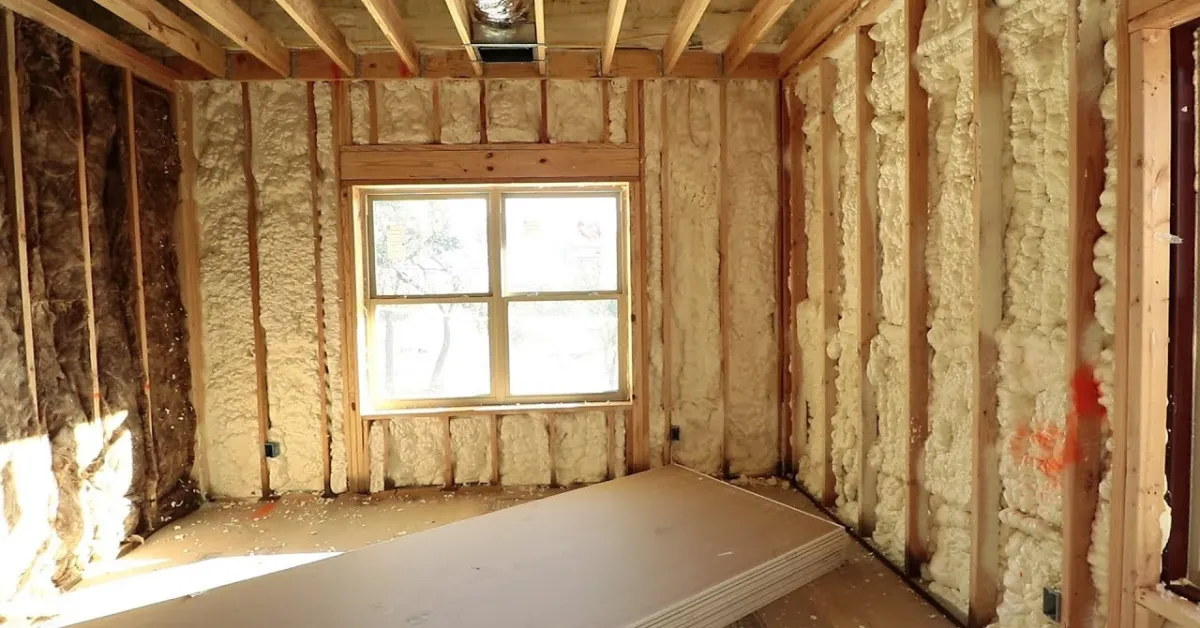
Proper drywall noise insulation is more than just stacking up sheets of wallboard. The effectiveness of soundproofing depends on several factors including the type of drywall, the insulation used within wall cavities, and the installation technique. Standard drywall may block some sounds, but high-density or laminated drywall combined with insulation materials like mineral wool or fiberglass can dramatically improve sound reduction.
When planning a soundproofed wall, consider the wall’s STC rating, which measures how well a structure blocks sound. A higher STC rating indicates better noise control. Using insulated drywall increases the wall’s STC value, providing a noticeable reduction in everyday noise. This is especially important in multi-family homes, offices, or rooms where privacy is crucial, such as bedrooms and home offices.
Choosing the Right Materials
Selecting the correct materials is critical for achieving effective drywall noise insulation. Start with high-quality drywall that has soundproofing properties. Options include double-layer drywall or drywall with built-in soundproofing cores. Paired with fiberglass or mineral wool insulation, these walls can significantly decrease the amount of sound passing between rooms.
Other key considerations include sealing gaps and using acoustic caulk around edges and joints. Even small cracks can allow sound to leak through, undermining your efforts. For maximum effectiveness, install resilient channels or sound isolation clips. These systems help decouple the drywall from wall studs, preventing vibrations from traveling through the structure. Investing in proper materials from the beginning avoids the frustration of insufficient soundproofing later.
Installation Techniques for Maximum Impact
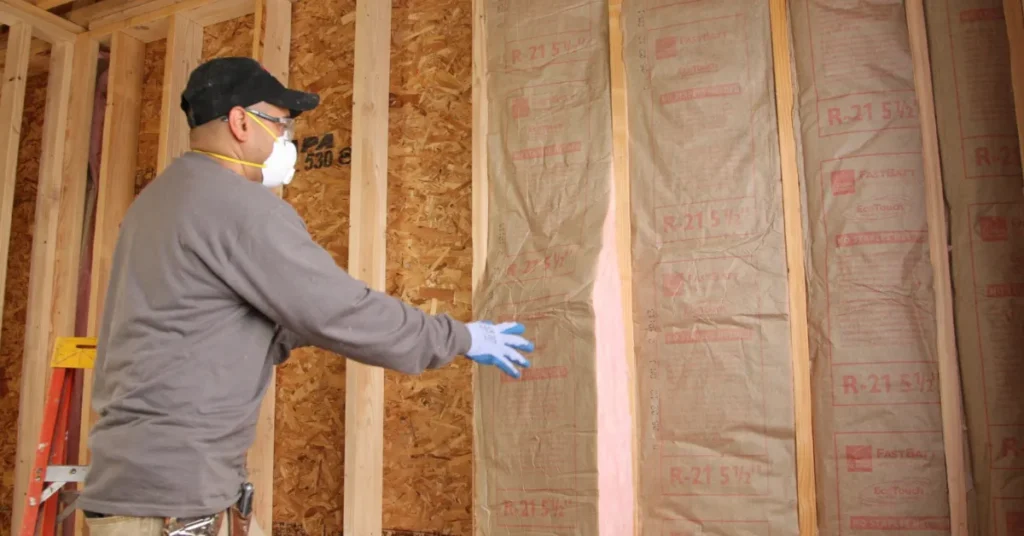
Even the best materials cannot perform at their peak without correct installation. Begin by checking that wall studs are properly spaced and aligned. Adding multiple layers of drywall, with staggered seams, can reduce sound transfer significantly. Ensure insulation fills every cavity completely, avoiding gaps that allow sound to slip through.
Adding resilient channels or clips between the drywall and the framing is one of the most effective ways to improve noise insulation. These create a flexible buffer that absorbs vibrations. Additionally, paying attention to doors, windows, and electrical outlets is crucial, as sound can bypass walls through these points. Proper installation is a combination of skill, precision, and understanding how sound travels.
Enhancing Soundproofing with Additional Layers
For spaces requiring extra noise reduction, layering strategies are highly effective. Adding a second layer of drywall with a damping compound between layers can dramatically improve sound insulation. This approach increases wall mass and prevents sound from resonating through the structure.
Ceilings and floors should also be considered in conjunction with wall treatments. Sound travels in all directions, so insulating ceilings, floors, and even cabinet walls in kitchens or entertainment areas contributes to a quieter environment. Combining drywall insulation value with acoustic panels or heavy curtains can create a serene space even in noisy neighborhoods.
Maintenance and Longevity Tips
Once your walls are properly insulated, maintaining their effectiveness is straightforward but important. Regularly check for gaps around baseboards, outlets, and trim. Even minor cracks can let noise in. Keep insulation dry and intact, as moisture can reduce its soundproofing properties.
Furniture placement can also impact perceived noise. Heavy bookshelves or wall-mounted cabinets against insulated walls can absorb additional sound. If you experience unexpected noise penetration, consider adding soft furnishings like rugs and curtains to complement the walls’ insulation. Simple maintenance ensures your investment in drywall noise insulation lasts for years without losing effectiveness.
Cost Considerations and Benefits
Investing in drywall noise insulation may seem costly upfront, but the long-term benefits are substantial. High-quality materials and correct installation reduce stress, improve sleep quality, and enhance productivity in home offices. Costs vary based on wall size, materials, and additional acoustic treatments, but the payoff is a home that feels peaceful and private.
By choosing insulated drywall and combining it with effective installation techniques, you are not only improving acoustic comfort but also increasing the overall value of your home. Quiet spaces enhance lifestyle quality, making every room more functional and enjoyable for daily living.
FAQ
What is the difference between standard drywall and insulated drywall
Insulated drywall contains materials designed to reduce sound transmission, while standard drywall mainly serves structural and aesthetic purposes.
How does drywall insulation value affect soundproofing
Higher drywall insulation value means better resistance to sound transfer, helping maintain privacy and reducing external noise.
Can I use drywall noise insulation in existing walls
Yes, you can retrofit soundproofing by adding additional drywall layers or using specialized insulation materials.
Are there specific materials that improve soundproofing more than others
Mineral wool and fiberglass are highly effective due to their density and ability to absorb vibrations compared to standard insulation.
Does soundproofing only involve walls
No, ceilings, floors, doors, and windows also play a crucial role in overall noise reduction and should be considered in a complete soundproofing strategy.
Conclusion
Achieving effective drywall noise insulation is about combining the right materials, smart installation techniques, and ongoing maintenance. From selecting insulated drywall to enhancing wall cavities with high-performance insulation, every step contributes to a quieter and more comfortable home. Whether it is a home office, bedroom, or shared living space, proper soundproofing makes daily life more enjoyable. For homeowners looking for professional-grade solutions, AGPDrywall provides expertise in creating walls that deliver exceptional acoustic comfort while maintaining structural quality. Invest in your peace of mind and make your home a sanctuary from noise.
