
 Blog
BlogCreating a kitchen that is both functional and visually appealing requires careful attention to wall finishes and protection. One material that has gained popularity for its versatility and durability is drywall. When considering drywall for kitchen, it is important to understand how it performs under moisture, heat, and everyday wear. Choosing the right type of drywall and finish can make a huge difference in maintaining a clean, stylish, and long-lasting kitchen environment.
Using drywall kitchen installations allows homeowners to achieve smooth, seamless walls that can adapt to a variety of designs. From a modern minimalistic look to a cozy rustic vibe, drywall offers flexibility that few other materials can match. Beyond aesthetics, it provides an affordable solution while giving enough strength to handle hanging cabinets, shelves, and other kitchen fixtures.
Types of Drywall Suitable for Kitchens
Standard Drywall
Standard drywall is often sufficient for most kitchen walls. It provides a smooth surface for painting or applying decorative finishes. While it is affordable and widely available, it is important to seal and protect it from steam and cooking splashes to prevent long-term damage.
Moisture-Resistant Drywall
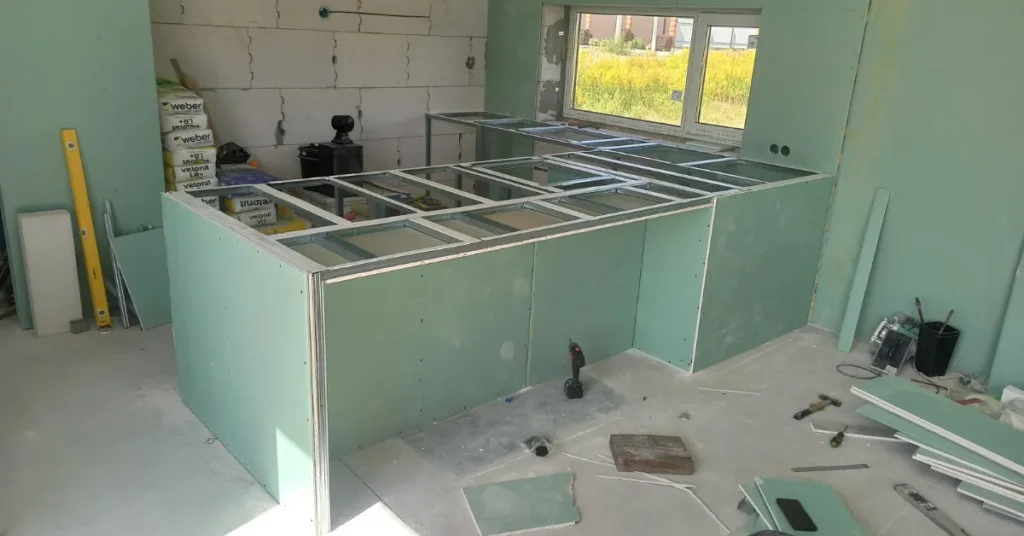
In kitchens with high humidity, moisture-resistant drywall is a better choice. Often green or blue in color, this drywall is designed to resist water absorption and reduce the risk of mold growth. It is particularly useful behind sinks, near dishwashers, or around stoves where splashes and condensation are frequent.
Fire-Resistant Drywall
Safety is crucial in kitchens, and fire-resistant drywall provides an extra layer of protection. It is designed to slow down the spread of fire, giving homeowners peace of mind. Although slightly more expensive, its benefits far outweigh the cost in busy cooking spaces.
Popular Finishes for Kitchen Drywall
Paint Finishes
One of the most common finishes for drywall in kitchen areas is paint. Semi-gloss or satin finishes are ideal because they are easier to wipe clean than matte surfaces. Bright colors can make a small kitchen feel larger, while neutral tones provide a timeless backdrop for cabinets and appliances.
Textured Finishes
Textured drywall can add depth and personality to a kitchen. Options like subtle knockdown, orange peel, or light stucco patterns create a visually interesting surface that also helps hide minor imperfections. Textured finishes are practical for high-traffic kitchens, as they can disguise fingerprints or smudges more effectively than flat paint.
Tile or Panel Integration
For areas prone to moisture, pairing drywall with tiles or decorative panels adds protection and style. Drywall behind tiled backsplashes provides structural support while allowing for creative designs. Combining materials can enhance the kitchen’s look without compromising durability.
Maintaining Drywall in Kitchens
Proper maintenance ensures that drywall kitchen walls stay in good condition for years. Regular cleaning is key, especially in areas exposed to grease or water. Here are some practical tips:
- Wipe down walls with a damp cloth and mild soap
- Avoid excessive water that can penetrate drywall surfaces
- Inspect walls periodically for signs of discoloration or mildew
- Use vent fans or windows to reduce humidity after cooking
Even simple habits like these prevent staining and keep the drywall looking fresh without requiring intensive upkeep.
Installing Drywall in Kitchens
Preparing the Walls
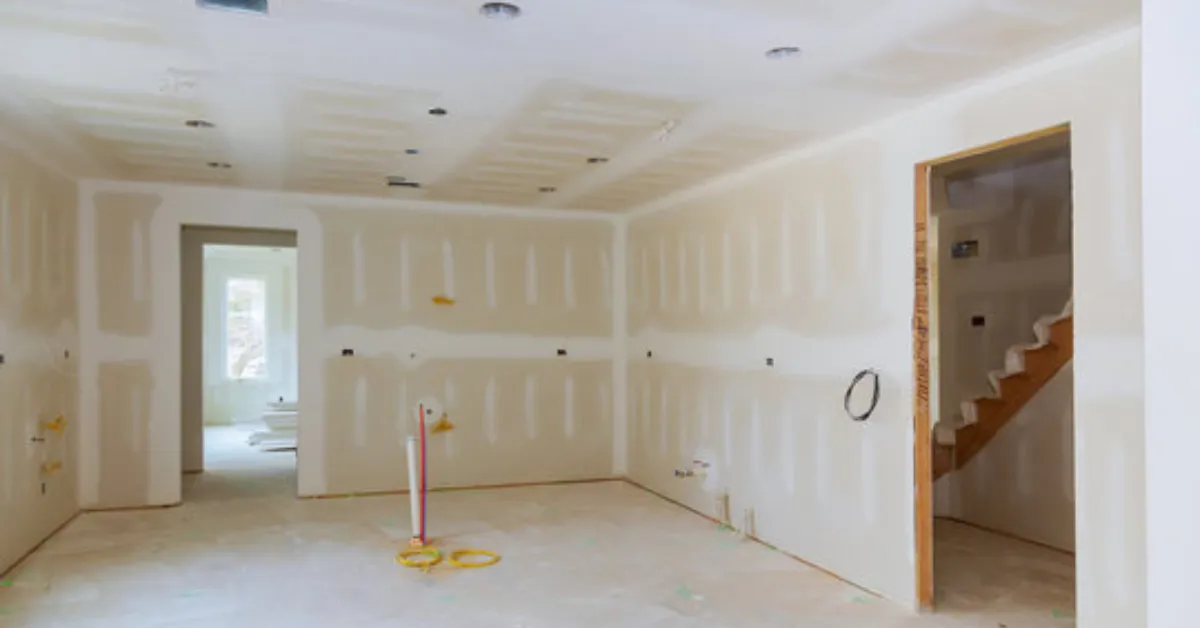
Before installation, ensure walls are clean, smooth, and free of debris. Properly measured and cut drywall sheets reduce gaps and make finishing easier. Stud spacing and alignment play a crucial role in long-term stability.
Securing the Drywall
Drywall panels are typically fastened with screws or nails. Correct installation prevents sagging or uneven surfaces. In kitchens, particular attention should be paid to corners and areas around cabinets to ensure a flush, professional finish.
Finishing Touches
After installation, applying joint compound, sanding, and priming creates a smooth surface ready for painting or texturing. A well-prepared wall not only improves appearance but also extends the lifespan of drywall surfaces.
Enhancing Durability and Style
Drywall is versatile, but adding extra layers of protection enhances longevity. Consider:
- Using washable paints to resist stains
- Adding moisture barriers behind drywall in wet areas
- Installing corner guards to protect edges
- Incorporating backsplash tiles for splash-prone zones
These measures help maintain a beautiful kitchen without sacrificing functionality.
FAQs
What is the best drywall for a kitchen?
Moisture-resistant drywall is ideal for kitchens because it handles steam, splashes, and humidity better than standard drywall while still being easy to finish and paint.
Can drywall handle kitchen heat?
Yes, standard drywall can handle normal kitchen temperatures. For areas near ovens or cooktops, fire-resistant drywall adds an extra layer of protection.
How do I clean drywall in a kitchen?
Use a damp cloth with mild soap. Avoid soaking the surface, especially near seams or edges. Ventilation after cooking helps prevent moisture buildup.
Is textured drywall suitable for a kitchen?
Absolutely. Textured drywall hides smudges and minor dents effectively while adding character to your space. Light textures are easiest to maintain in high-use kitchens.
Can I combine drywall with tiles?
Yes. Installing drywall behind a backsplash or decorative panels provides a smooth, stable surface for tiling and ensures long-term support for the design.
Conclusion
Choosing the right drywall in kitchen areas is more than a practical decision; it shapes the overall appearance and longevity of your space. By selecting moisture-resistant or fire-resistant types, pairing them with suitable finishes, and applying thoughtful maintenance, homeowners can enjoy walls that remain stylish and functional for years. For professional installation and expert guidance, partnering with a company like Call AGP Drywall Now ensures your kitchen walls are both beautiful and resilient. Take the step toward a kitchen that combines aesthetic appeal with durable performance today.
