
 Blog
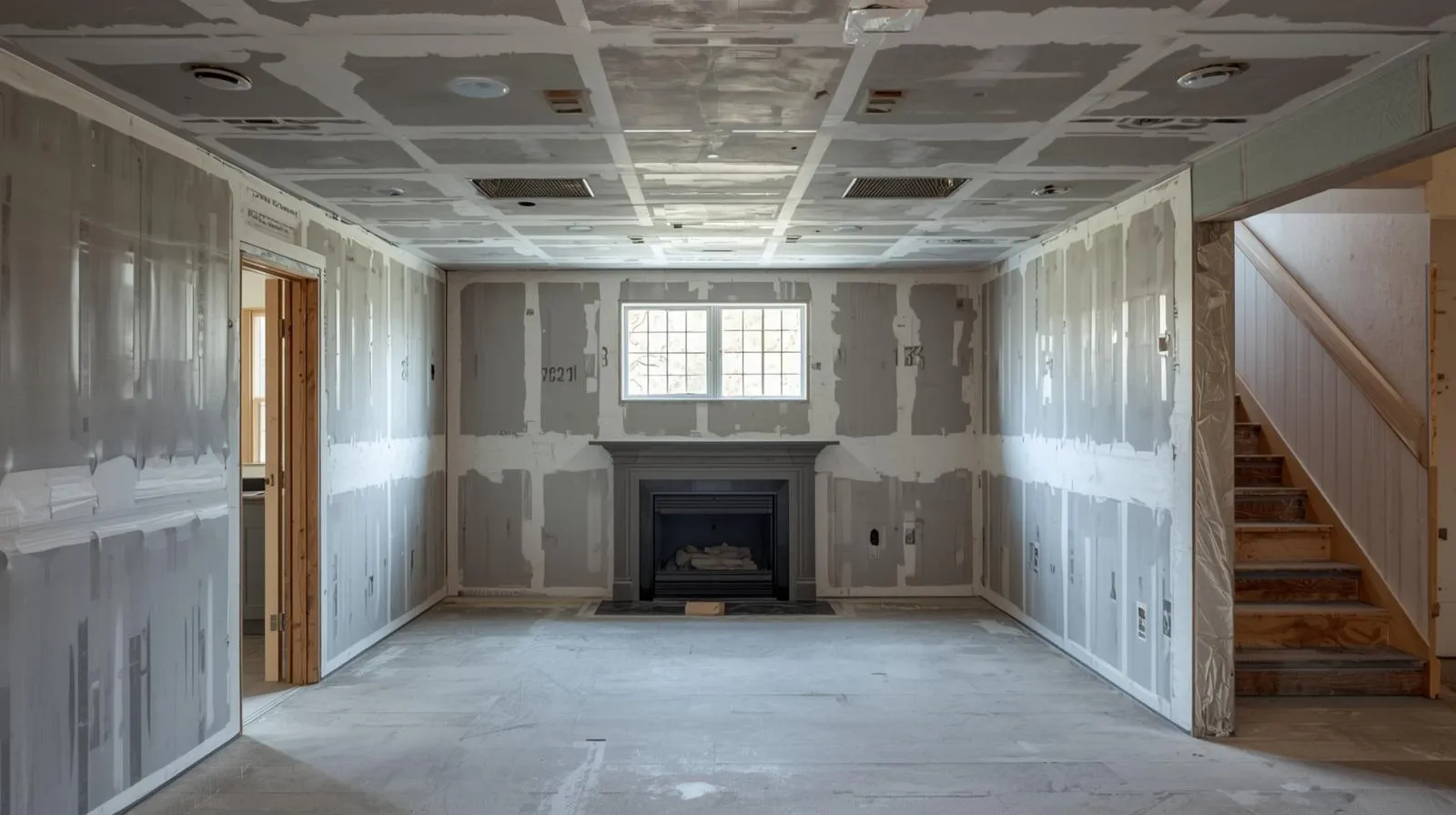
BlogFinishing a lower level is one of the most satisfying home upgrades, and drywall plays a major role in how that space feels. Installing drywall basement walls correctly turns a cold unfinished area into a comfortable living zone. Whether the goal is a family room, home office, or guest space, careful planning and proper installation make a noticeable difference in durability, appearance, and long term value.
Preparing the Basement Space Before Installation
Before hanging any panels, preparation decides the success of the project. Basements deal with moisture, temperature changes, and concrete surfaces that behave differently than upper floors. Start by checking for leaks, damp spots, or musty odors. These issues must be fixed first because drywall does not forgive moisture problems.
Next, frame the walls properly. Wood or metal studs should sit slightly away from foundation walls to allow airflow. Insulation should be rated for below grade use and installed neatly between studs. Electrical wiring and plumbing lines need to be secured and inspected before closing the walls. Rushing this step often leads to cutting drywall later, which wastes time and money.
This preparation stage is where many homeowners underestimate the work involved. Skipping it can shorten the life of drywall basement finishes and lead to costly repairs later.
Choosing the Right Drywall for Basement Conditions
Not all drywall is created equal, especially below ground. Standard panels can work in dry areas, but many basements benefit from moisture resistant drywall. These boards are designed to handle higher humidity levels and reduce the risk of mold growth.
Thickness also matters. Half inch drywall is common for walls, while ceilings often need five eighth inch panels for added strength and sound control. In basements with low ceilings, lighter panels can make handling easier without sacrificing quality.
Another factor is fire rating. If the basement includes a furnace room or connects to a garage, local building codes may require fire rated drywall. Always check local regulations before purchasing materials. Choosing the correct drywall basement materials from the start prevents issues during inspection and ensures the space remains safe and comfortable for years.
Step by Step Drywall Installation Process
Once prep and materials are ready, installation begins. This stage rewards patience and precision.
- Measure each wall carefully and cut drywall panels to fit snugly.
- Hang ceiling panels first, securing them firmly to joists.
- Install wall panels vertically or horizontally based on stud spacing.
- Fasten panels with drywall screws at consistent intervals.
- Leave small gaps at floor edges to prevent moisture wicking.
Using a drywall lift can save your shoulders and your temper, especially on ceilings. Working with a partner also helps keep panels aligned. Installing drywall basement surfaces is physical work, but steady progress beats rushing. Crooked panels or missed screws show up later during finishing, so take your time at this stage.
Taping, Mudding, and Finishing the Walls
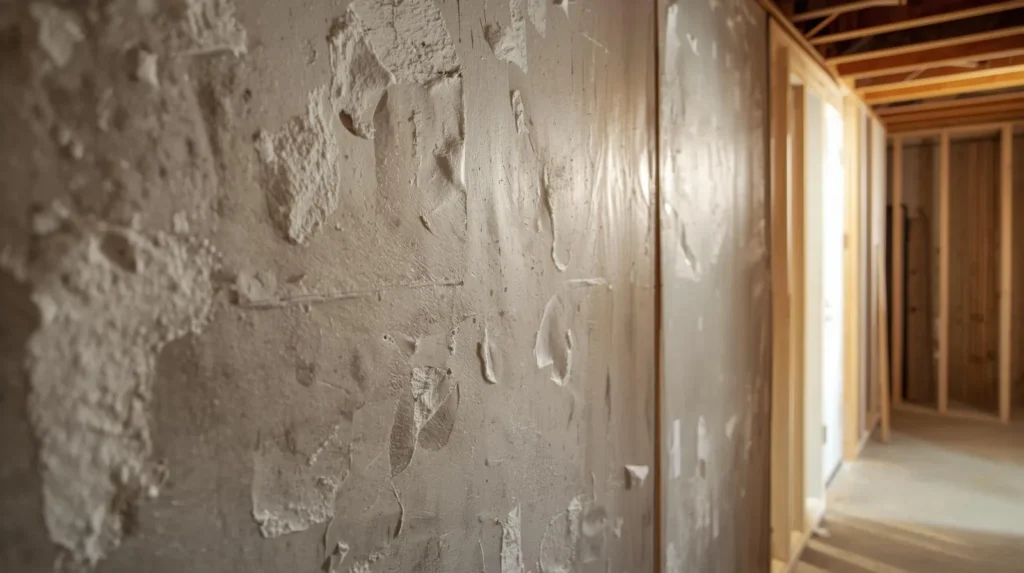
Finishing is where the basement truly starts to look livable. Apply joint tape over seams and cover with joint compound. This process usually takes three coats, with drying time between each layer. Sand lightly after each coat to keep surfaces smooth.
Corners deserve extra attention. Metal or vinyl corner beads protect edges and create clean lines. When sanding, use good lighting to spot imperfections. Many people think paint will hide flaws, but paint highlights them instead.
Dust control matters here. Basements often have limited airflow, so wearing a mask and using a shop vacuum makes cleanup easier. A properly finished drywall basement wall feels solid and looks seamless, creating a professional appearance even in a DIY project.
Common Mistakes to Avoid in Basement Drywall Projects
Basement drywall work has unique pitfalls. One common mistake is placing drywall directly against concrete. This traps moisture and leads to damage. Another issue is ignoring humidity control. Even well installed drywall can suffer without proper ventilation or a dehumidifier.
Over driving screws is another problem. Screws that break the paper surface lose holding power. Also avoid mixing drywall thicknesses on the same wall, which causes uneven surfaces.
Many homeowners also underestimate time. Basement projects often take longer due to tight spaces and obstacles like pipes or ducts. Learning from these mistakes saves frustration and helps ensure drywall basement installations hold up over time.
Frequently Asked Questions
Can drywall be installed directly on basement concrete walls?
Drywall should not be attached directly to concrete. A framed wall with insulation creates a moisture barrier and improves comfort.
What type of drywall is best for basement rooms?
Moisture resistant drywall is often recommended for basements due to higher humidity levels.
How do I control moisture after drywall installation?
Using a dehumidifier, sealing cracks, and ensuring proper ventilation helps protect finished walls.
Is professional installation worth it for basements?
Basements have unique challenges. Professional installers understand local codes and moisture management.
How long does basement drywall installation usually take?
Most projects take several days to a couple of weeks depending on size and complexity.
Final Thoughts and Next Steps
Installing drywall in a basement is not just about hanging panels. It requires planning, correct materials, careful finishing, and attention to moisture control. When done properly, drywall basement spaces feel warm, clean, and ready for everyday use. If the project feels overwhelming or time is limited, working with experienced professionals can make the difference between a temporary fix and a lasting upgrade. For homeowners who want reliable results and peace of mind, AGP Drywall for basements offers skilled solutions that turn unfinished basements into functional living spaces worth enjoying.
