
 Blog
BlogWhen it comes to hanging items on walls, drywall anchors can be a lifesaver. They hold shelves, frames, mirrors, and other home essentials securely. Yet, nothing is more frustrating than seeing them fail just when you need them the most. Understanding why drywall anchors fail and how to prevent these mishaps can save both time and headaches.Understanding the common reasons anchors fail, learning the right way to install them, and knowing how to keep your walls secure can save a lot of time and frustration.
Common Reasons Drywall Anchors Fail
Drywall anchors may seem simple, but improper use or weak materials can quickly lead to failure. Knowing the main reasons behind these issues is the first step to ensuring a safe and stable setup.
Overloading the Anchors
One of the most frequent mistakes is exceeding the weight limit of a drywall anchor. Each anchor type is designed for a specific load. For example, plastic anchors often handle only a few pounds, while metal toggle anchors can support much heavier items. Ignoring these limits leads to anchors pulling out, leaving holes or even broken walls.
Incorrect Installation
Even the best drywall anchors can fail if they are not installed properly. Misalignment, drilling holes that are too big, or failing to secure the anchor tightly can all cause instability. It is essential to follow the manufacturer’s instructions carefully and ensure the anchor sits snugly in the wall.
Using the Wrong Anchor Type
Different projects require different anchors. A lightweight plastic anchor may hold a small picture frame but cannot support a floating shelf. Similarly, using a screw-in anchor in a hollow wall without checking its specifications often results in failure. Matching the anchor type to the wall structure and the item’s weight is crucial.
Signs Your Drywall Anchors Are Weak
Not all anchor failures happen immediately. Sometimes, subtle warning signs appear long before a dramatic collapse occurs. Knowing what to look for can prevent damage and keep your walls secure.
Loose Screws
If the screw wiggles in the anchor or feels loose when tightened, the anchor might not be gripping the wall properly. This is often a sign that the anchor is too small for the screw or that the drywall itself is crumbling around it.
Wall Cracks or Holes
Small cracks around the anchor site or expanding holes indicate stress in the wall. This can happen when heavy items are hung or when the wall has weakened over time. Catching these signs early allows for timely adjustments or reinforcements.
Sagging or Tilted Fixtures
When a shelf, mirror, or frame starts to lean or sag, it’s often because the anchor is no longer holding the weight properly. In such cases, immediate attention is needed to avoid accidents or further damage.
Best Practices for Installing Drywall Anchors
Ensuring your drywall anchors stay strong involves careful planning and precise installation. Simple steps can significantly reduce the risk of failure.
Choose the Right Anchor
Selecting the correct anchor type for your project is essential. Consider the wall material, the item’s weight, and the environment. For instance, moisture-prone areas may require rust-resistant anchors. Using anchors rated for your specific load ensures stability.
Prepare the Wall Properly
Before installation, make sure the wall is clean and dry. Avoid areas with cracks or soft spots, as these can compromise anchor strength. Marking the position carefully and pre-drilling pilot holes when necessary improves precision and reduces stress on the anchor.
Secure Anchors Correctly
Insert the anchor fully and follow the recommended tightening procedure. Over-tightening can strip the drywall, while under-tightening may leave the item unstable. Using a level to double-check placement ensures your fixtures are both secure and straight.
Maintenance Tips to Keep Anchors Reliable
Even after installation, a little maintenance can extend the life of your drywall anchors. Regularly inspecting and adjusting fixtures helps prevent surprises.
- Check screws periodically to ensure they remain tight.
- Avoid overloading shelves or frames beyond their intended capacity.
- If you notice cracks or loose anchors, replace them promptly with a stronger alternative.
- Consider upgrading to heavy-duty anchors for items that carry frequent or dynamic loads.
Choosing the Right Drywall Anchor for Your Project
With so many options available, picking the right drywall anchor can be confusing. Understanding the different types helps make an informed choice.
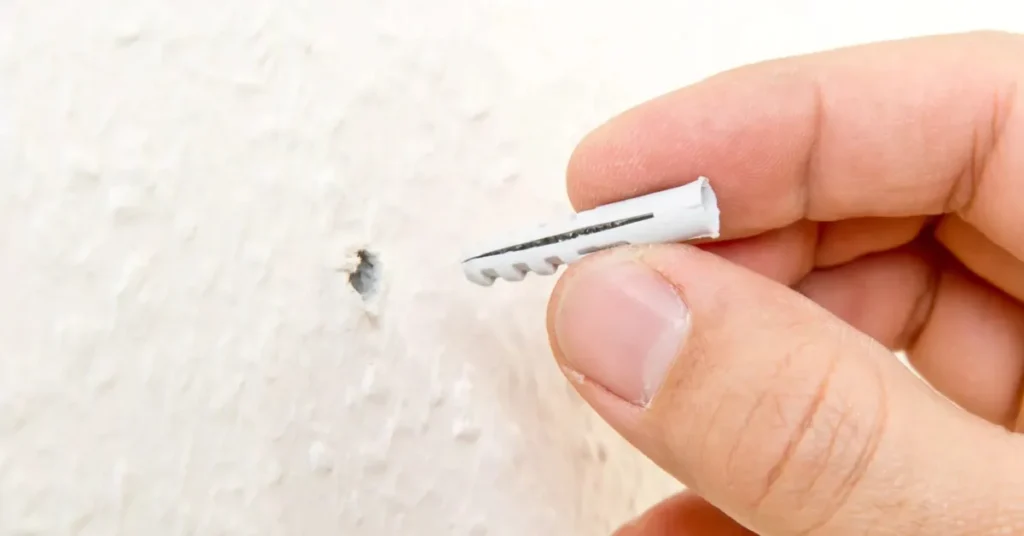
Plastic Expansion Anchors
These are ideal for lightweight items like small frames or decorative pieces. They are easy to install but have limited holding power.
Metal Toggle Anchors
Great for heavier objects, toggle anchors expand behind the wall, distributing weight evenly. They are perfect for shelves, cabinets, and mirrors.
Self-Drilling Anchors
These anchors combine drilling and installation into one step. They work well for medium-weight items and save time while ensuring a snug fit.
FAQs
How much weight can drywall anchors hold?
Weight capacity varies depending on the anchor type. Plastic anchors usually handle 10 to 25 pounds, metal toggle anchors can support up to 50 pounds or more, and self-drilling anchors generally fall in between.
Can drywall anchors be reused?
Some anchors, like metal toggle bolts, can be removed and reused if they remain undamaged. Plastic anchors often lose strength once removed and should be replaced.
Are there special anchors for bathroom walls?
Yes, moisture-resistant or rust-proof anchors are recommended for areas with high humidity to prevent corrosion and maintain holding power.
What is the best way to prevent anchor failure?
Selecting the correct anchor type, following installation instructions carefully, and monitoring the mounted item for signs of stress are key preventive measures.
Can drywall anchors hold shelves?
Yes, but the shelf’s weight and contents must match the anchor’s rated capacity. For heavy or frequently used shelves, metal toggle anchors are usually the safest choice.
Conclusion
Drywall anchors play a critical role in keeping your walls functional and safe. By understanding why they fail, recognizing warning signs, and following proper installation and maintenance practices, you can ensure your anchors perform reliably. Always choose the right type for your project and monitor your fixtures for any changes over time. For expert advice and high-quality solutions, trust AGP Drywall Wall professionals to help you get the best results every time. Strong, secure walls start with the right approach to drywall anchors, and a little attention goes a long way toward avoiding unnecessary problems.
